Category Archives: Family

Kiko’s Close Call

During our visit to Rochester, we left Kiko alone with H’s parents one afternoon while we went out.  We felt no anxiety about leaving the dog with them. I don’t think I even gave a single thought to Kiko while we were gone.  Grandma and Grandpa are worriers.  They are careful.  They visualize every possibility of disaster, no matter how remote.  They looked after our two-year old daughter for ten days when H, my parents and I went to France.  Everyone was fine.  They should have no problem dealing with Kiko for an hour and a half.
When we returned, Grandpa came quickly to the door.  He was clearly shaken. We knew something was up.   Everything’s alright, he said, breathlessly.  It’s all OK. . . . But Kiko got out.I was immediately beset by panic, even though Kiko was right there, looking up at me, perfectly fine, intact and unharmed, a bit sleepy.The story unfolded.  Shortly after we left, Grandpa decided to get the car washed.  With Rochester’s constant snow and never-ending salt and slush on the roads, car washes are a routine necessity.  He looked into the living room and saw Kiko asleep on his bed.  In the kitchen, he pressed the garage door opener, as he always does, before going out the side door.  It was then that he was aware of a reddish flash behind him.  Kiko was already in the garage and dashing out into the driveway.  Grandpa lunged for the dog, managing to grab his tail, which  looks very much like a curled handle, as on a teapot.  But Kiko was moving too fast, and the tug on his tail merely caused him to yelp and move even faster.Our brilliant dog turned left at the end of the driveway and bounded down the very center of the street.  H’s parents’ live on a busy road, where cars speed by with dependable frequency.  This was no quiet neighborhood cul-de-sac.  Oh no.


Fortunately Grandma heard Grandpa yell and was alerted to the situation.  I had showed her Kiko’s bag of treats and left them out on the table.  Thinking quickly, she got a treat and rushed out in pursuit.  By this time Grandpa and the dog were well down the road.  Kiko would stop occasionally and look back, then fly off again playfully.  He was evidently thinking,  This is a great game!.  When he heard Grandma yell pleasantly, Kiko, treat!, he paused long enough to allow Grandpa to catch up and grab his collar.  Luckily, I hadn’t removed the collar as I usually do at home; this dog is as slippery as an otter.  Kiko was saddened and stunned to see the game ending so quickly, and he did all he could to resist returning home.  He splayed his legs, put his head down resolutely, and managed to make his compact 26-pound bulk feel much heavier. But Grandpa was determined, and mustering his strength, he corraled our little runaway beast.

Considering that Grandpa and Grandma generally don’t move especially fast, it is a near-miracle that they managed to catch our speedy dog.  Evidently the adrenaline rush fueled their unusual alacrity.  The real miracle, according to Grandpa, was the absence of a single car passing by during the entire episode.

We all visualized various grim alternate endings:  Grandpa collapses in the street with a heart attack, Grandma slips on the icy road and breaks a hip, and Kiko is still flattened by a Suburban.

We would all be awash in blame.  The whys and the what-ifs would be dizzying and relentless.  Why didn’t we ask Grandma and Grandpa if they planned to go out?  Why didn’t we warn them about the garage door?  What if we had taken Kiko with us?  Grandpa would regret that car wash for the rest of his life, as H, D and I would regret that day’s outing.

Here, I am, close to tears, again, imagining the sad trip back to Virginia, without Kiko.  Or with his inert little body packed in ice in the back of the car? I doubt we could have buried him in the frozen Rochester ground. We would have had to gather up all his stuff–his bed, blanket, food bowls, treats, Foxy, his little coat.  Oh, his little plaid coat, the coat he wore only once!  And now my heart is breaking for parents who have lost children (and I do mean human children) who must confront  the tormenting evidence–the forlorn toys, the clothes, the snow boots–that screams: She’ll be back!  She’s at a friend’s house.  He’ll be home from school at 4:00!  How do such parents answer, without going insane: No, pretty red dress, my baby won’t be home again.  No, boots, he will not use you for this snow, or ever.   Only with God’s help.

But our ending, this time, was a happy one.  I don’t think God held back the cars that day.  Nor do I think he assigns guardian angels to dogs.  But maybe God did give Grandpa and Grandma the unaccustomed speed they needed to catch our escaped monster.  And maybe he looked after them so they did not get hurt in the process.  Maybe he helped Grandma remember that a treat might work magic. And maybe luck was simply on our side.

Today, safely at home, my Kiko is warm in the sun.  I will cuddle him, and give thanks again.  And I will say a prayer for those wrestling with an unhappy ending.
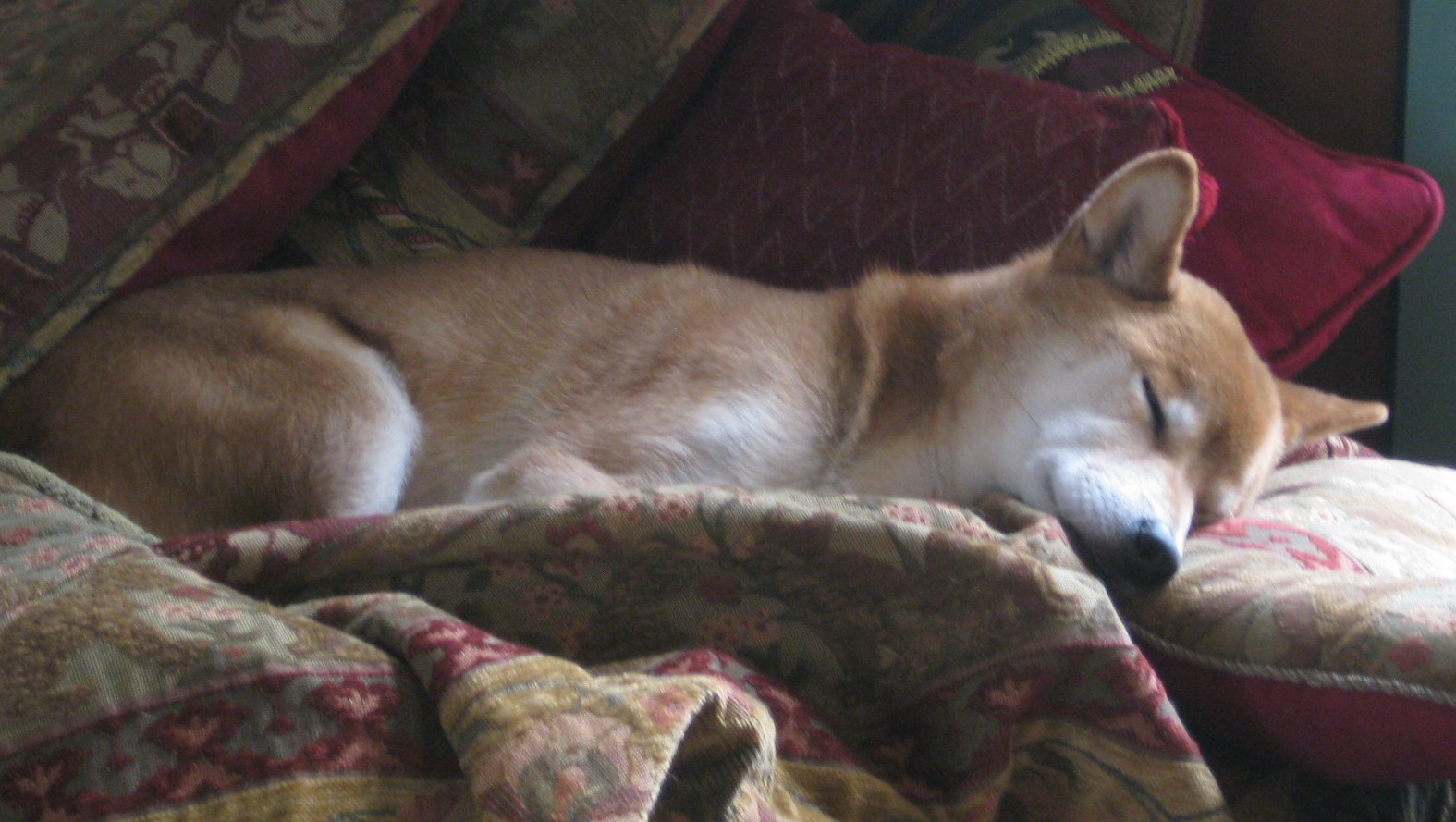
Kiko 011

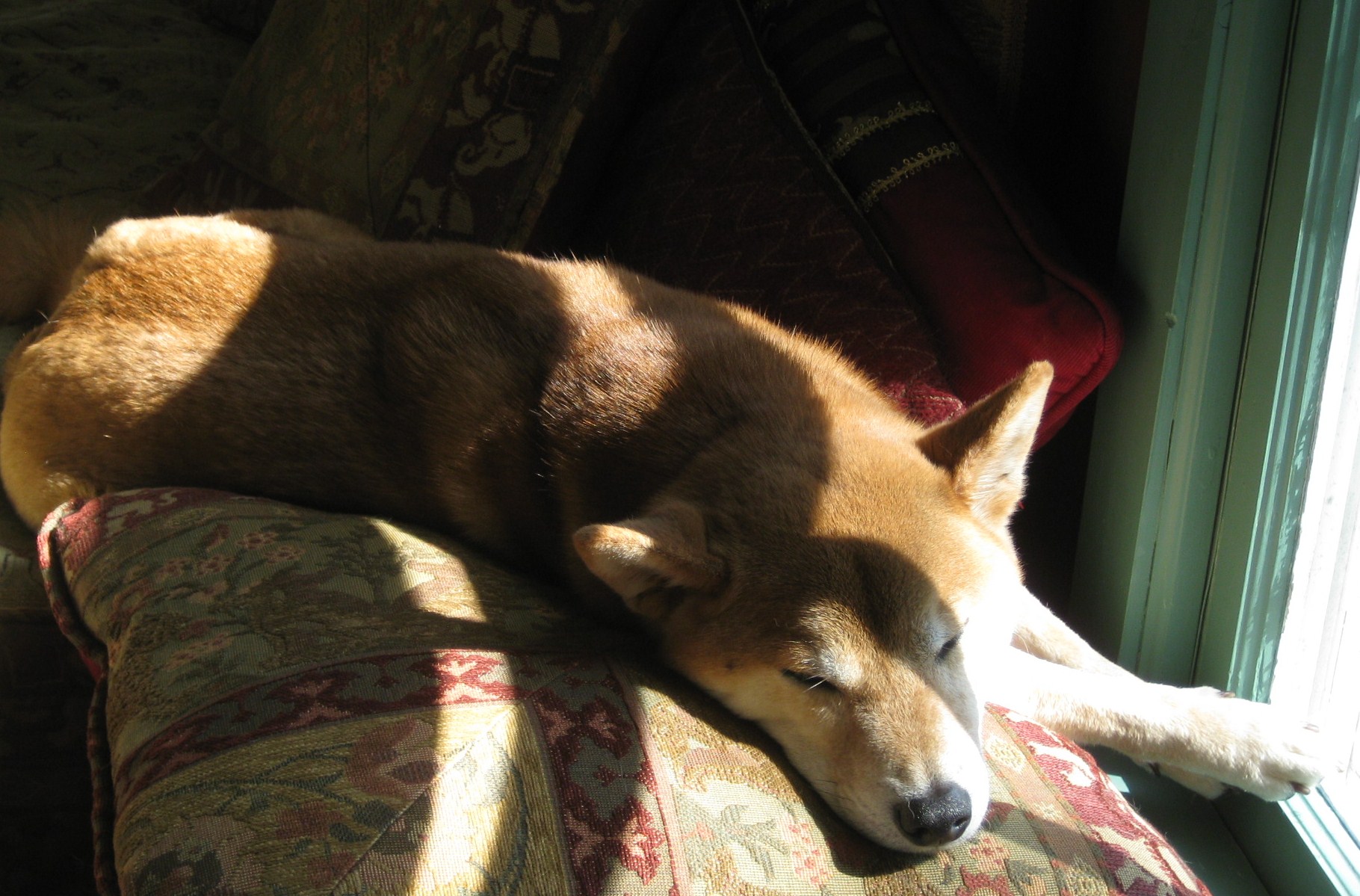
 Kiko sleeps in the March sun.

Kiko 008

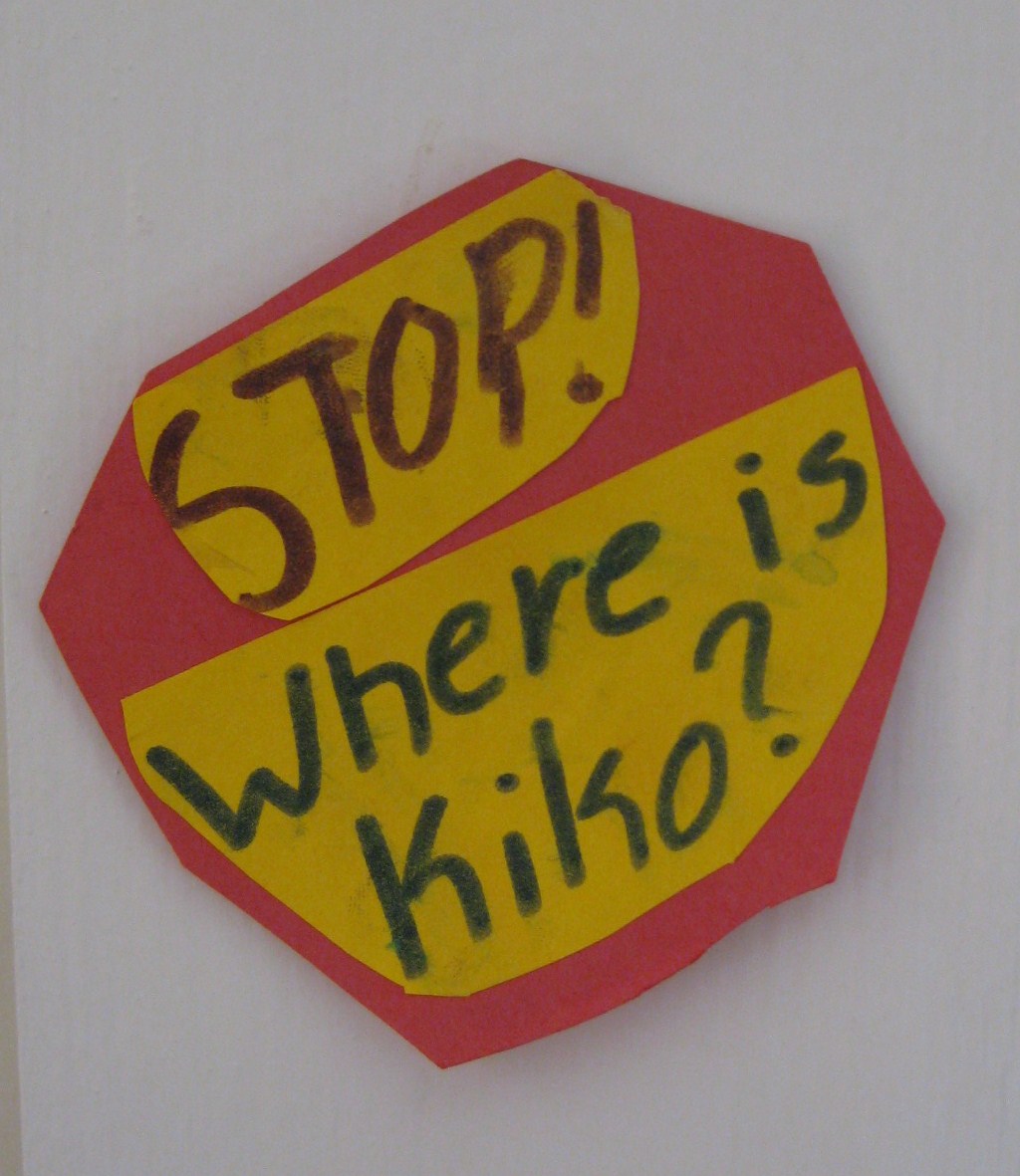
Now Grandma and Grandpa have signs like this one on all their doors,  just as we do in our house.
Historic Angelica, New York

0241
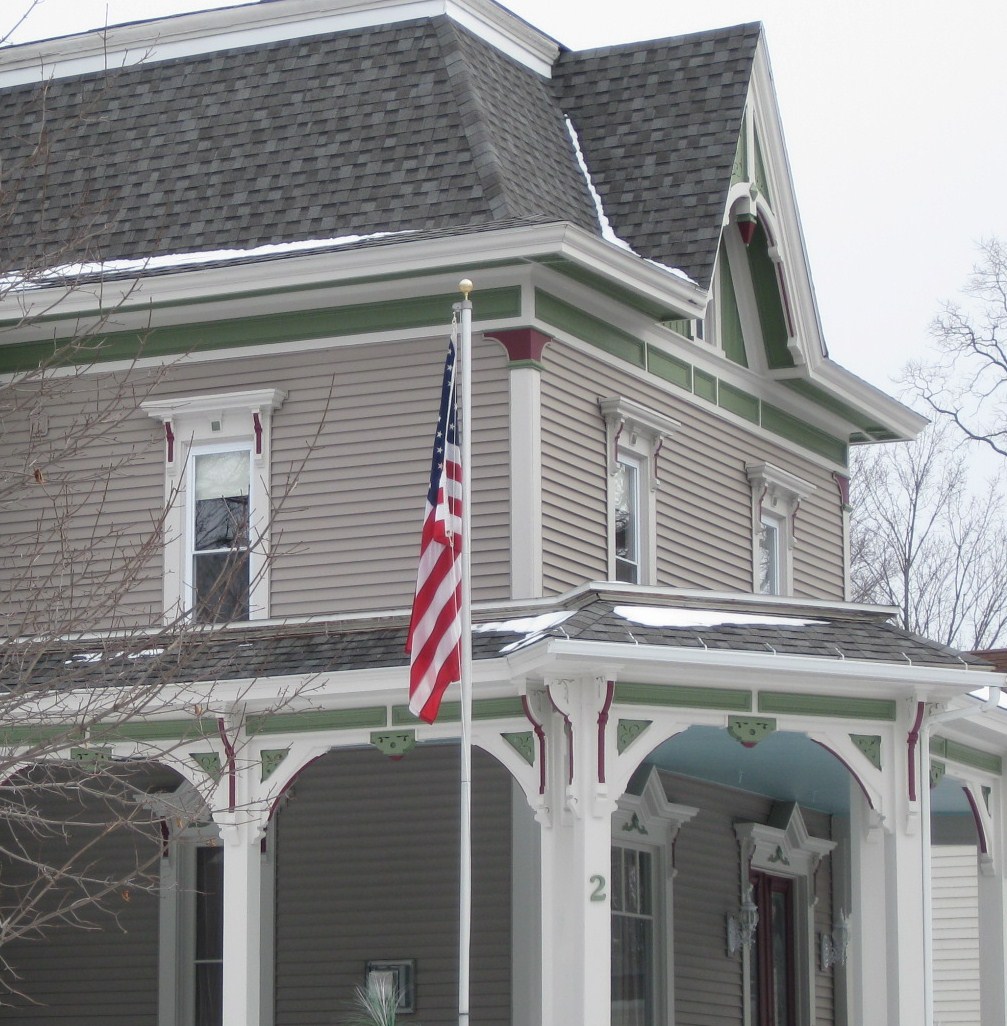
This Angelica house, built in 1884, is one of the town’s newer structures. It is now the Park Circle Bed & Breakfast.

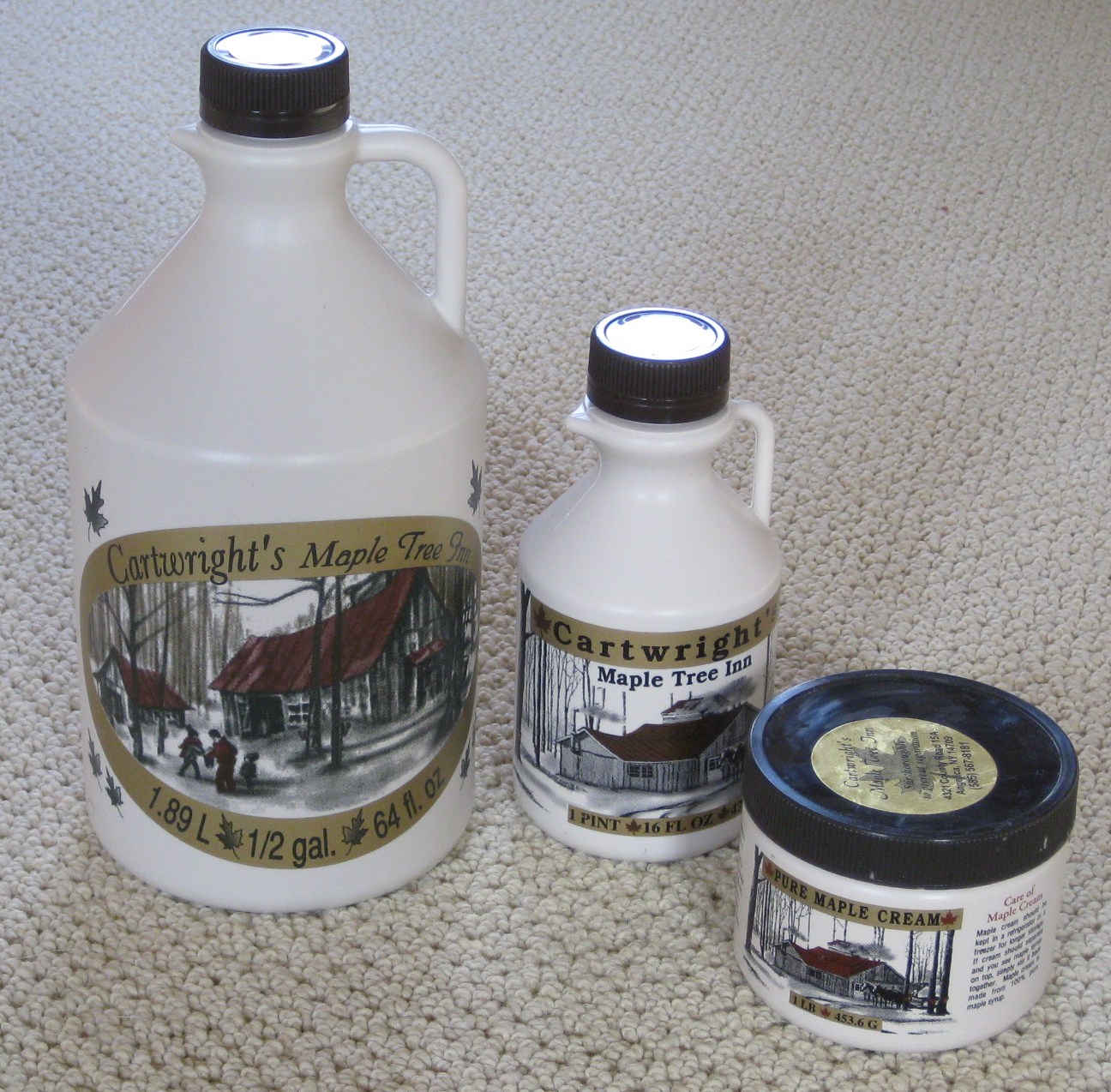
If you ever find yourself in western New York, perhaps after fulfilling a quest for authentic maple syrup at Cartwright’s Maple Tree Inn, I would recommend another stop in the nearby historic village of Angelica.  (While Cartwright’s  has an Angelica address, it is several miles outside the tiny town.)

Postcard-pretty Angelica was named for Angelica Shuyler Church (1756- 1814), scion of two eminent New York families, the Schuylers and the Rensselaers.  Angelica’s father was a general in the Continental Army, later a member of the Continental Congress and a U.S. senator.  Her brother-in-law was Alexander Hamilton. After eloping with the English-born merchant John Barker Church, Angelica lived most of her life in Europe.  Intelligent, well-educated, charming and beautiful, she mixed in elite circles.  During her years in Paris, her confidants included Benjamin Franklin, Thomas Jefferson (with whom she kept up a lifelong correspondence), and the Marquis de Lafayette. Her London acquaintances were equally renowned.  Angelica and her family returned to America for a visit to attend the inauguration of George Washington.

When her family purchased a 100,000-acre tract of land in the wilds of western New York, Angelica’s son Philip scouted the area for a suitable location to build a town.  He chose a site along the Genesee River.  In 1802, he named the new settlement after his mother.  Thanks to Philip and his surveyor, the town has a pleasing geometric plan, its main street radiating out from a central circular park.

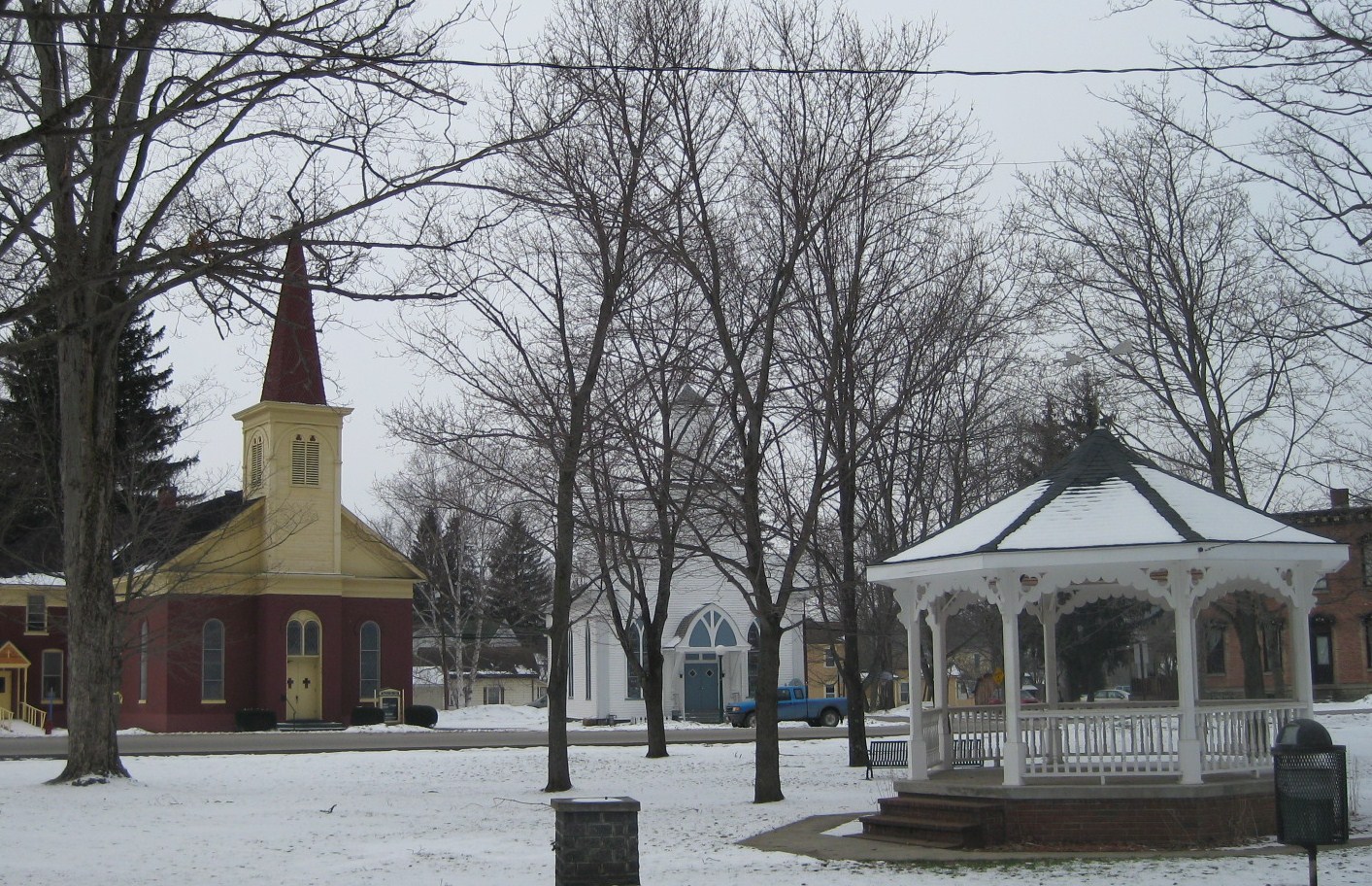
Considering the name of the town and that of its founding family, it’s appropriate that Angelica is notable for the many lovely old churches that ring the green and dot Main Street.  Nearly all the town’s buildings date from the 19th century and have been little changed.  Modernism sidestepped Angelica.  Large, still beautiful homes, plus a library, academy, court house and post office, are interspersed among the churches and shops.  We typically visit in February, when the view from the snow-covered central park recalls a tabletop Christmas display of quaint ceramic buildings.

0212
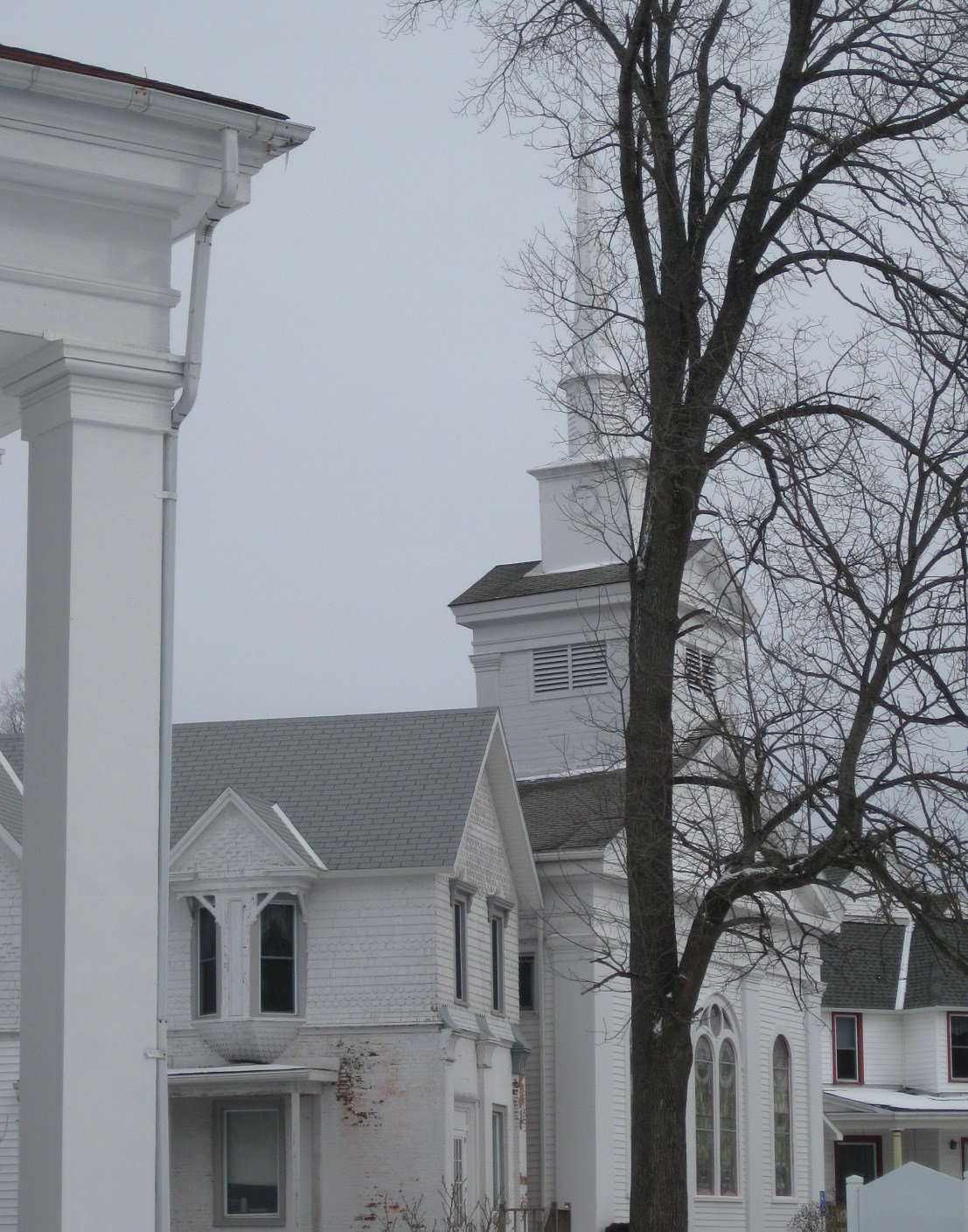
Angelica’s central green, showing two of the town’s churches.


0222
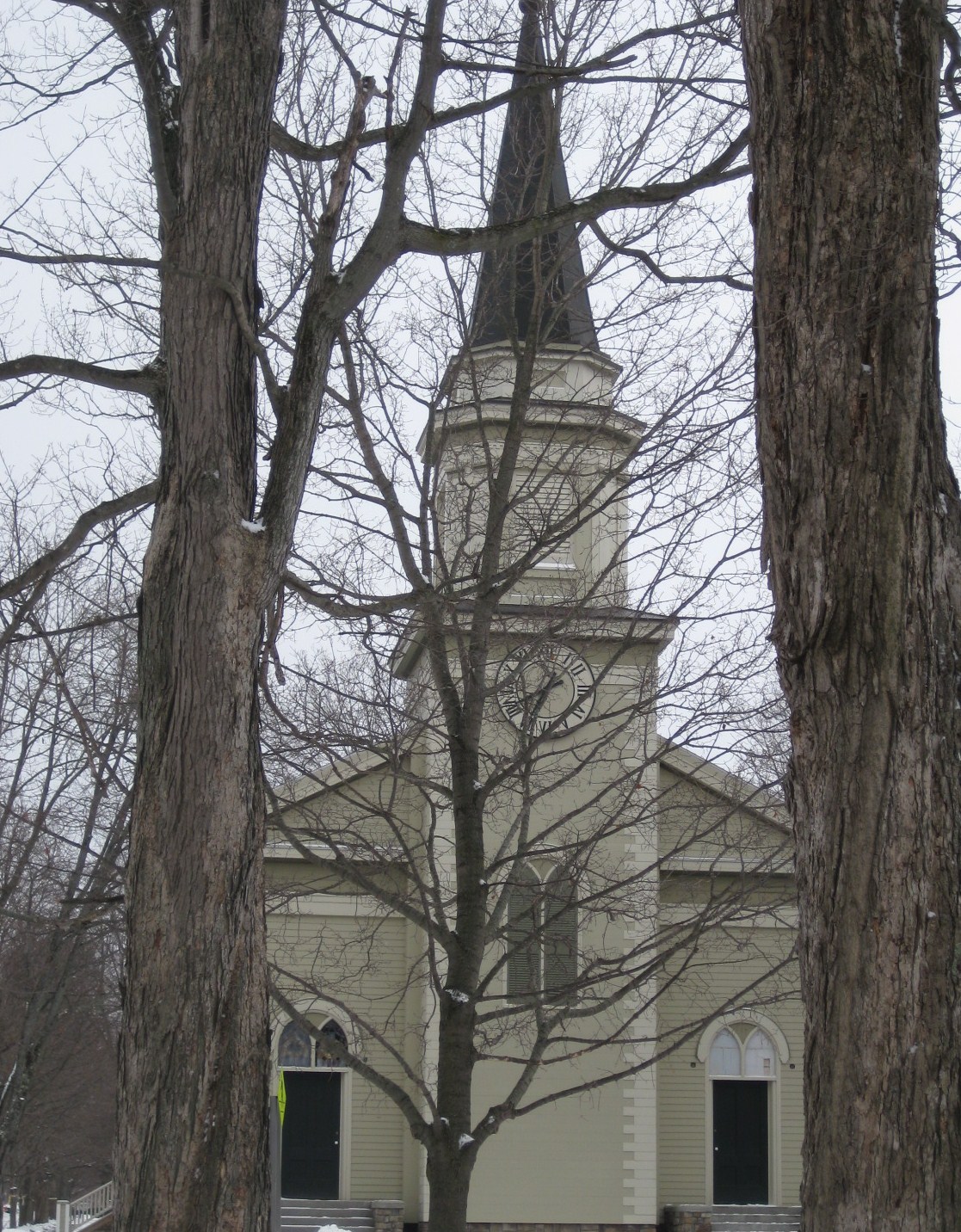
The former Presbyterian Church.


0262
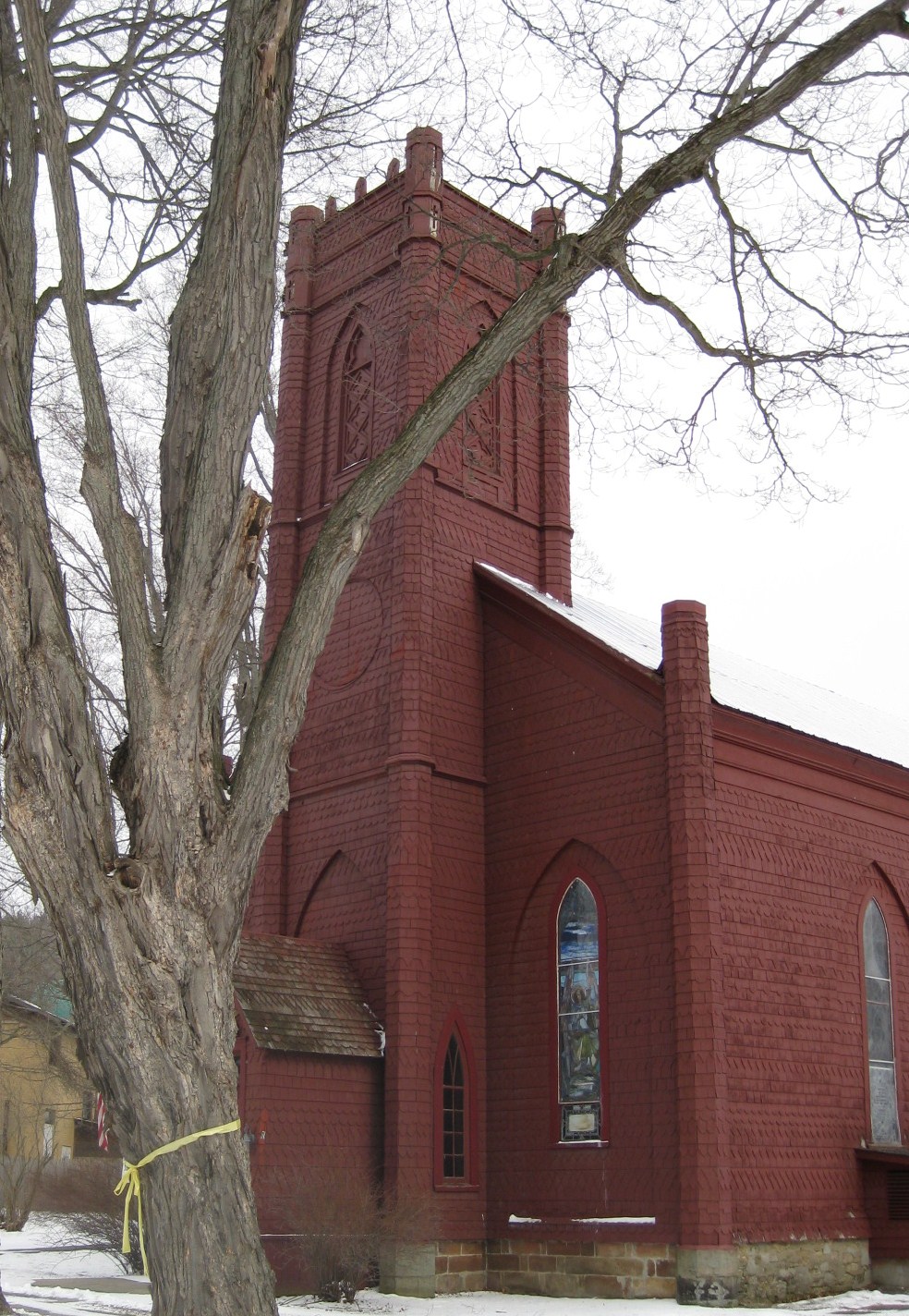
St. Paul’s Episcopal Church, which dates from 1847 and includes several Tiffany windows.
033
Yet another Angelica church, surrounded by homes.


0281
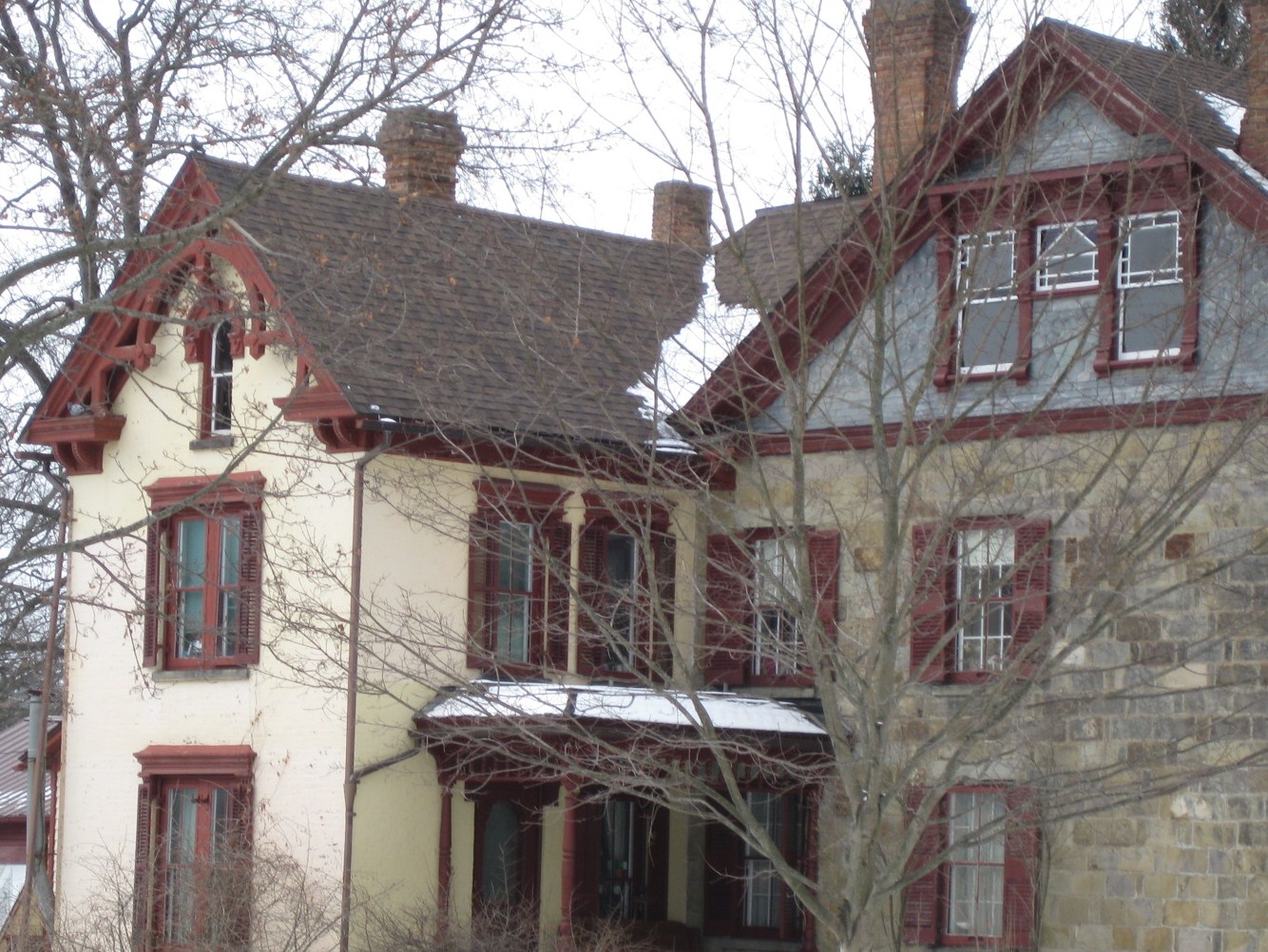
This Gothic revival house was built in 1826 for the family of Aaron Burr.


0341
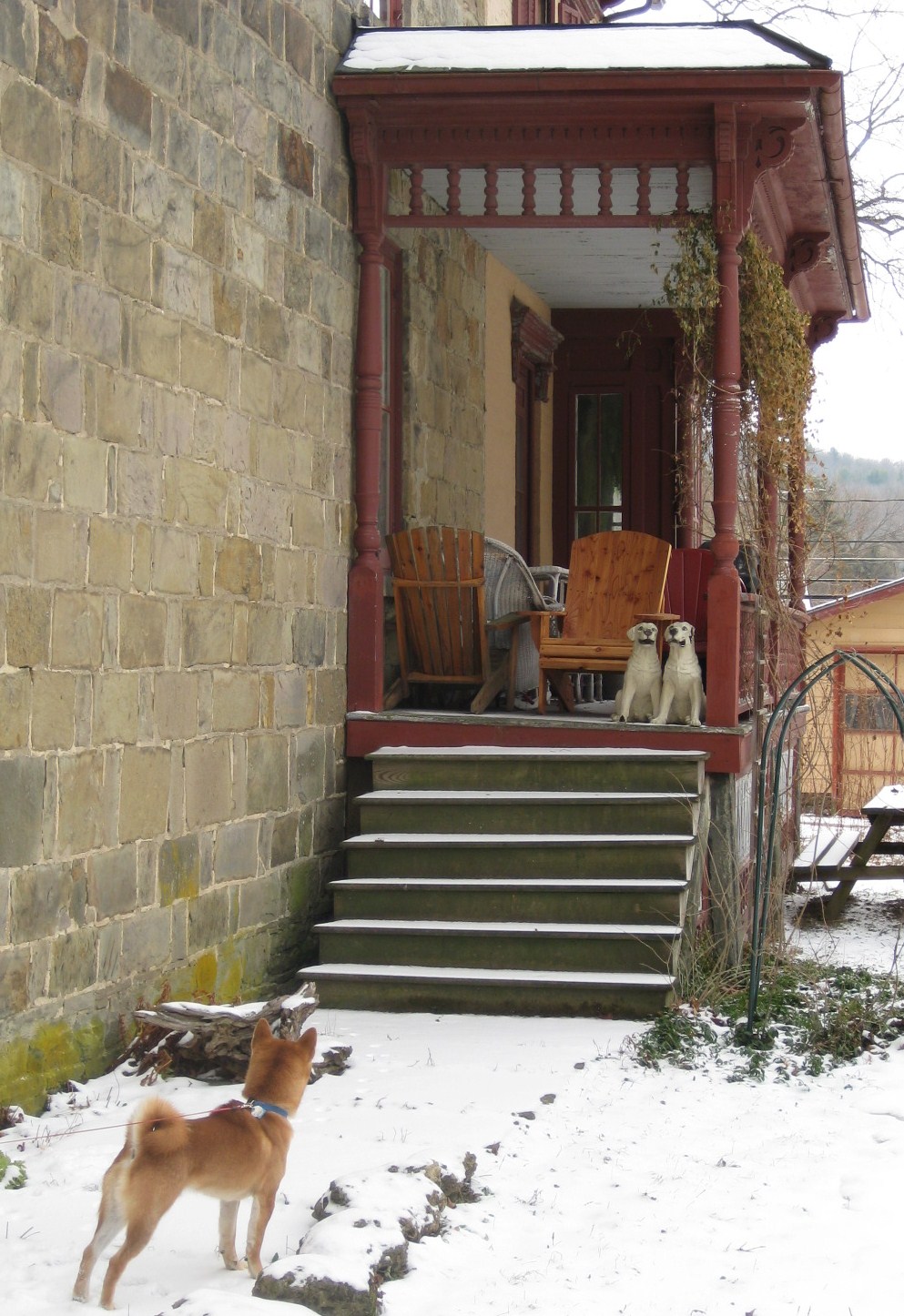
The Lloyd House, built from 1834 with local stone quarried from nearby Joncy Gorge.


036
When Kiko spotted these two dog figures on a side porch of the Lloyd house, he confronted them with extreme wariness. They remained silent, and he moved on, disappointed.

In 1797, Angelica and her husband returned to live permanently in the U.S.  Their grand home, known as Villa Belvidere, is located on the outskirts of town.  Begun in 1806, its design is attributed to Benjamin Latrobe, architect of the U.S. capitol.  The house remains in private hands.

North to the Sugar Shack: Cartwright’s Maple Tree Inn

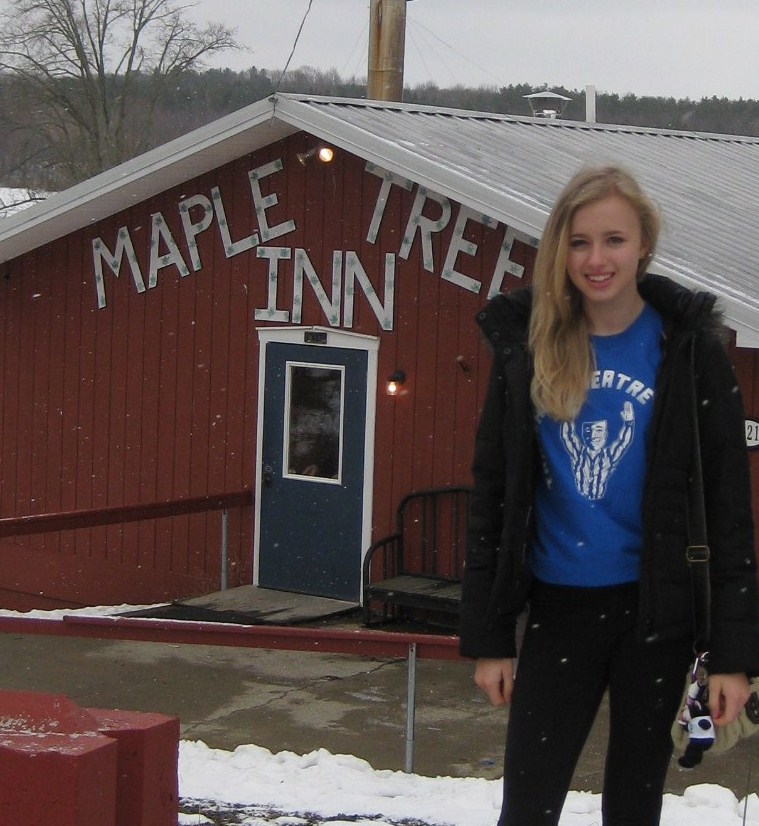
Last weekend, we drove to upstate New York for pancakes. Not just for pancakes.  Pancakes and maple syrup.  We met H’s family at Cartwright’s Maple Tree Inn, a glorified sugar shack located, really, in the middle of nowhere.  Its actual address is County Road 15A, Angelica, NY (2 miles from Short Tract), which, in the language of our GPS system, is “not on any digitized road.”  Despite its truly out-of-the-way location in the midst of snow-covered fields, it’s a popular spot, with big crowds on weekends.  It’s only open during the maple sugar season, which typically runs from mid-February through March or mid-April, depending on the weather.  H’s family has been trekking out to Cartwright’s for decades, and now it’s among our winter traditions, even though our drive is far longer.  Of course, we don’t return directly to Virginia, but spend the weekend visiting H’s family in Rochester.

Rochester 021

The Cartwrights began producing maple syrup on their farm in the 1850s.  The Maple Tree Inn dates from 1963, when the family decided to build a restaurant specializing in Grandma’s buckwheat pancakes served with their own maple syrup.  In the adjacent shop, the syrup, maple butter and maple sugar cakes became available directly to the public.  The somewhat ramshackle building has been expanded over the years and is now fairly large.  It will win no awards for architectural style, but that’s not the point.  In the chain-store sameness that dominates so much of our country today, the Maple Tree Inn offers a unique, quirky, authentic experience.  It’s living history, and it’s worth a visit.

Before I met my husband, I had never tasted true maple syrup.  The first time we ate together at PJ’s Pancake House in Princeton, I was surprised to see him pull a small container of pure maple syrup from his pocket.  At the time, PJ’s didn’t serve the real stuff, although that has since changed.  I didn’t understand what the big deal was.  Growing up, when Daddy made pancakes on Saturday mornings, we used the typical supermarket syrup–Log Cabin, Aunt Jemima–whatever.  H was no food snob, so I found his insistence on unadulterated maple syrup mystifying.  That is, until that day at PJ’s, when I tasted the liquid from that little jar.  H was right.  There is no topping the perfection of the stuff that comes straight from the tree.

Visitors to the Maple Tree Inn are welcome to descend into the building’s lower level to learn how the sap is boiled down, in huge wood-fired evaporators, to its golden maple essence.  Several years ago, a Cartwright grandson, no more than twelve or so,  gave us a comprehensive tour that began in the frozen fields where we could examine the taps on the trees and see the liquid running into the buckets.  As far as I know, this is not an option at IHOP.

These days, the rarified nuances of maple syrup, like those of chocolate, coffee and small-batch whiskies, are earnestly discussed at considerable length, using wine-lingo terms such as terroir.  H doesn’t do this, although he can and does enjoy discerning, in blind taste tests, the variations between light, medium, and dark amber syrups.  My palette will never attain such a degree of sophistication, but I can say this: a little true maple syrup makes life sweeter.

Rochester 010
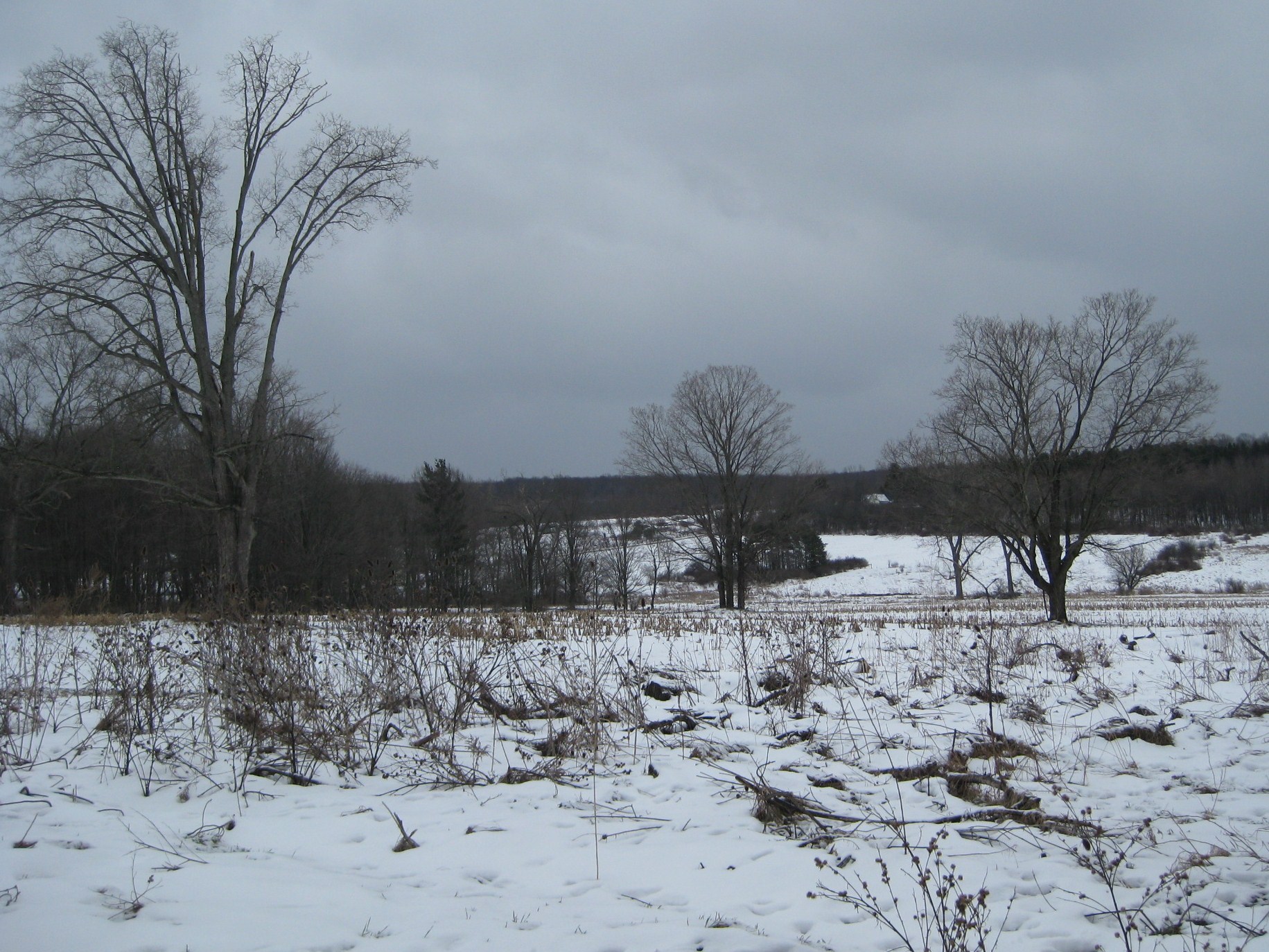
The snowy landscape behind the Maple Tree Inn.
Rochester 014
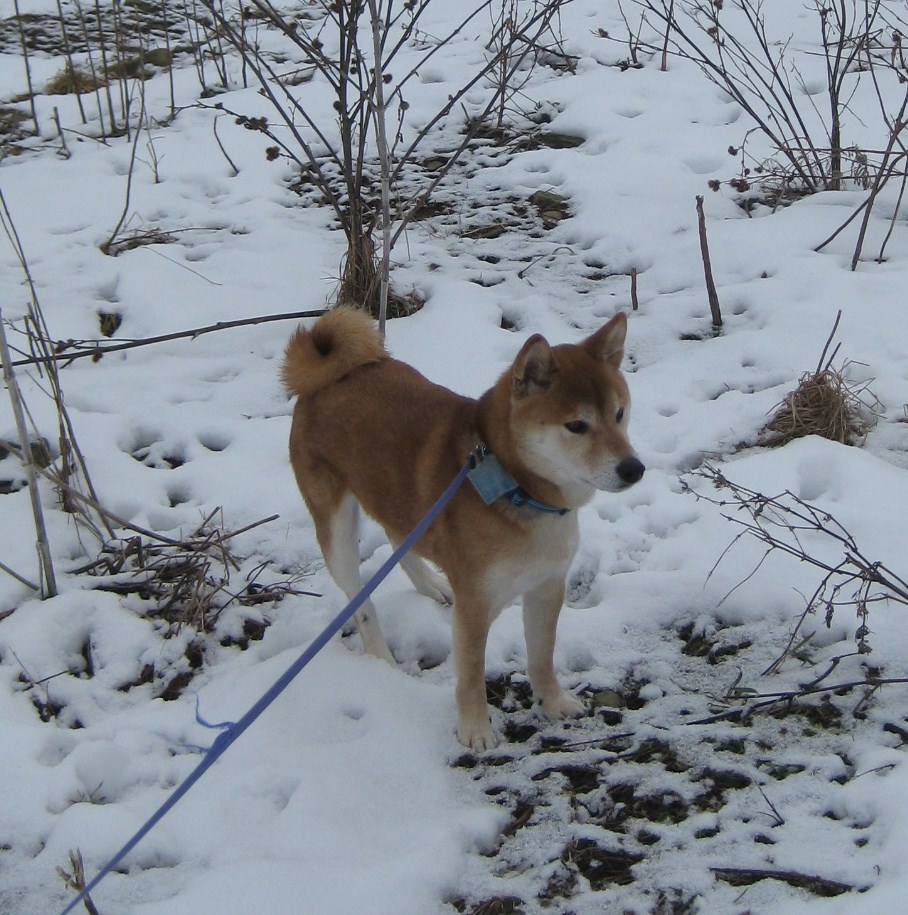
Kiko and I walk through the surrounding fields before I join the others for lunch.

Rochester 018

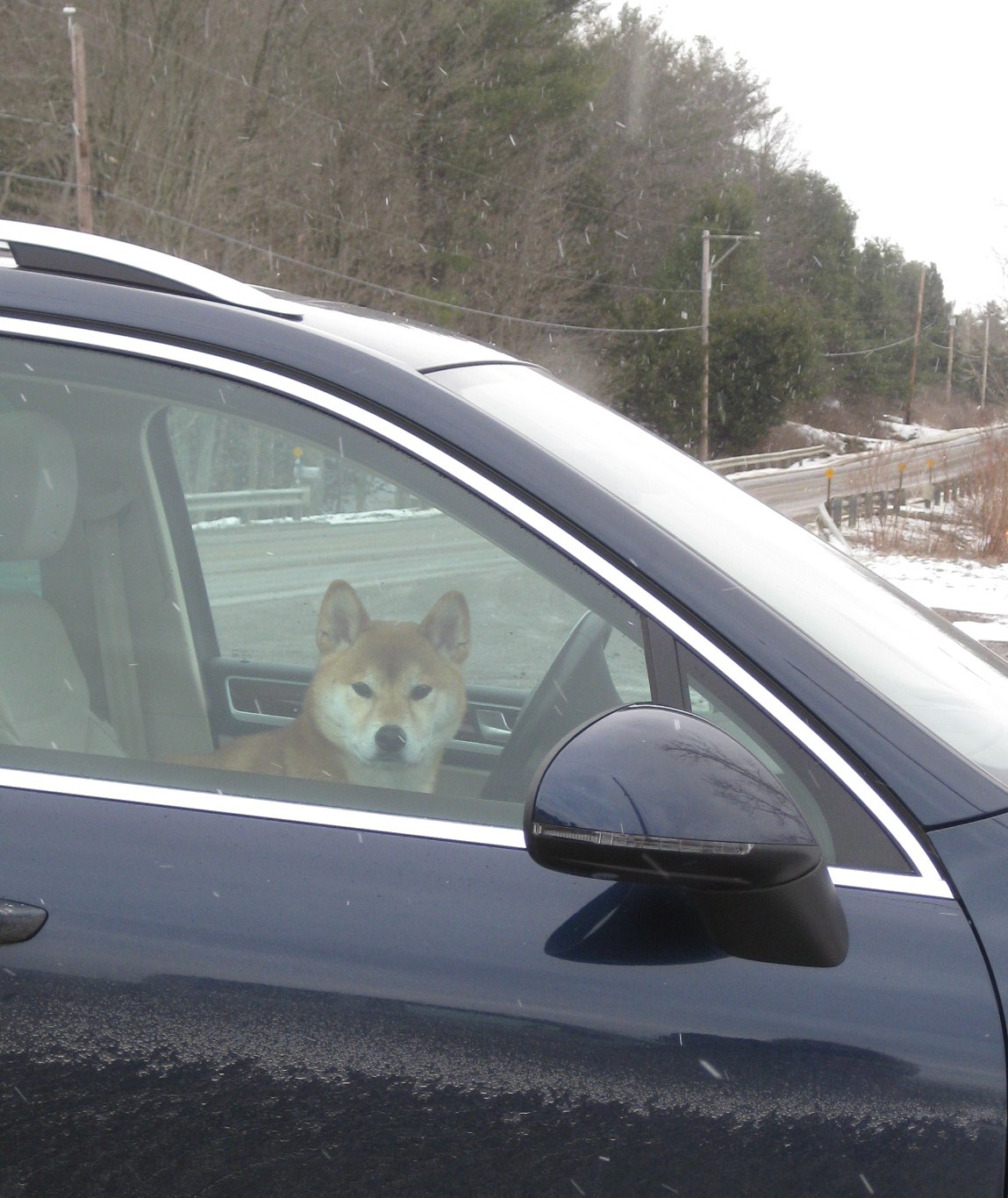
Kiko keeps vigil in the car during our meal.  Animal advocates need not be alarmed–he has his sheepskin bed and blanket if he needs to hunker down for warmth.  Before this trip, in case it was particularly cold, we bought him a red plaid fleece coat.  The temperature wasn’t low enough to warrant it, and he appeared perfectly comfortable, peering out from the front seat, when we returned.  For his wait, he was rewarded with an extra sausage patty H’s grandmother had carefully saved for him.

016

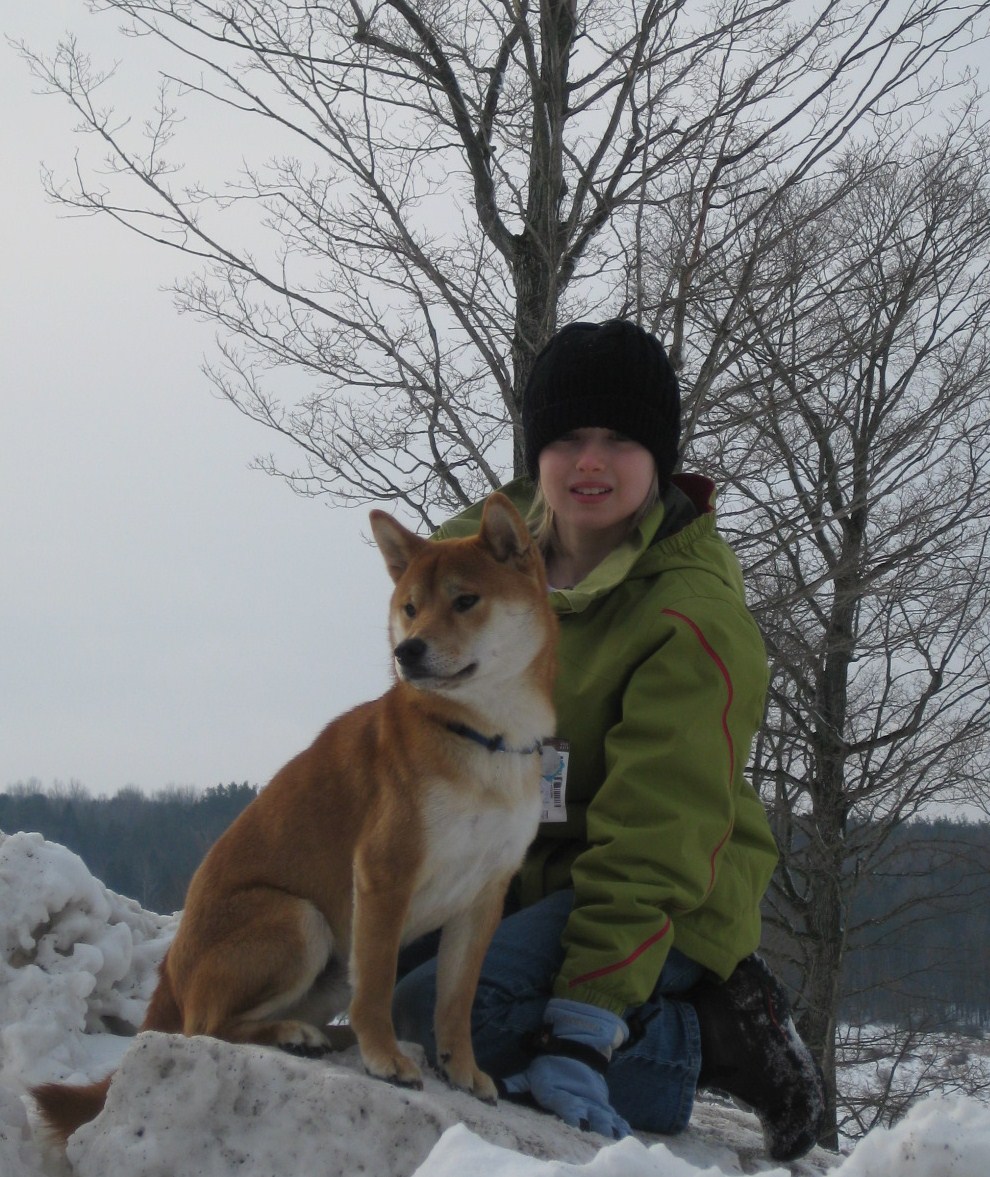
Kiko and D atop a tall snowpile on an earlier visit to Cartwright’s, in 2009.  Kiko looks almost exactly the same as he did four years ago, when he was two.  D, on the other hand, has changed.

006
We stocked up at the Maple Tree Inn.

Ashes to Ashes

On Ash Wednesday, we are urged to face a stark truth:  we will not live forever.  The certainty of our mortality should be evident as we daily confront our society’s latest egregious incidents of violent fatality.  Where was today’s shooting?  At a mall, an office, a restaurant, a church, or, most horrifically, at a school? Who were the heroes and innocents who died senselessly this week? Firefighters, doctors, nurses, teachers, small children, infants? Depending upon where you live, you may be mourning a different tragedy than the one that preys on my mind.  There are so many tragedies in our world. Every day it becomes more difficult to say It can’t happen in my neighborhood. 

Yet despite the ongoing exposure to such dire events, our culture is constantly blaring the message that if we spend enough on miraculous health and beauty products, if we make the right lifestyle choices, we can prolong our lives indefinitely. It promises us, repeatedly, that it’s in our best interests to extend the look of youth far beyond our youthful years.  One of the worst things we can say about a celebrity is this:  She’s looking her age. How shocking!  How pitiful!  Not enough botox, or botox gone bad.  Excessive collagen, or inadequate collogen.  A facelift that failed.  A fanatical exercise regime that no longer does the trick. Her arms were once buff; now they’re stringy.  The more beautiful one is in youth, the sadder seems the diminishing of that beauty with age.

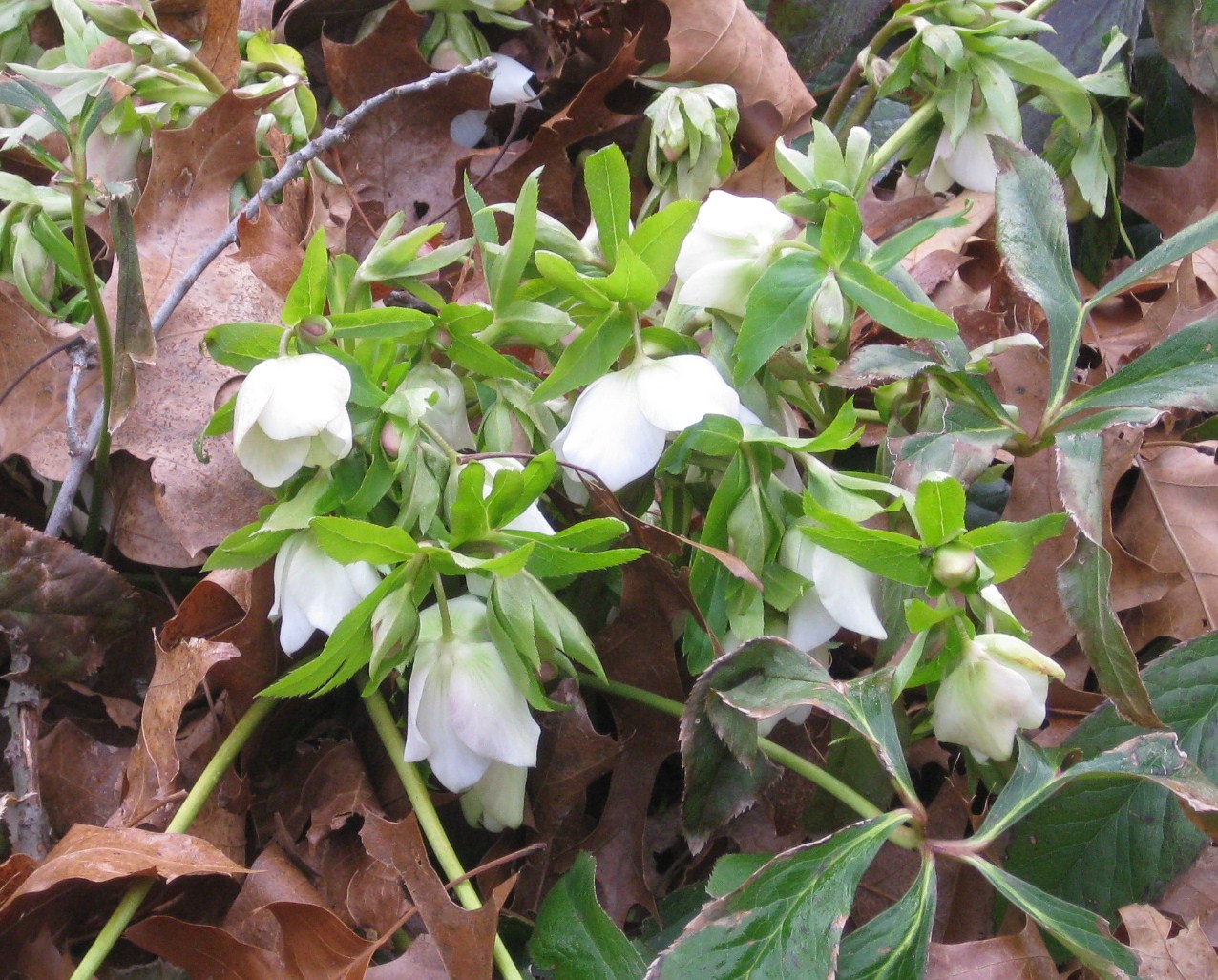
Lenten roses 002

Yesterday I caught a brief snippet of a TV soap opera that I admit  I used to watch, on occasion.   Well, not really watch.  It happened to come on at a time when I needed a rest.  It offered a distraction as I  sat down to fold laundry, leaf through piles of papers and magazines for recycling, make get-well cards. Sometimes it lulled me to sleep, I have to say. This particular soap opera, even sillier than most, if possible, requires minimal attention, because it’s always the same. During my most recent viewing, it was immediately apparent that the same small group of characters was still soldiering on in scandalous banality, divorcing, remarrying, swapping spouses and children, re-betraying one another in bizarre ways.  At a glance, the old gang looked very much the same.  There was not a wrinkle, not a gray hair to be seen.  Bodies were svelte, as always.  But the faces were altered in odd ways:  eyes slanted at more extreme angles, lips overly puffy, cheekbones higher, chins more pronounced, foreheads immovable as those of marble statues.   The characters continue to behave in sophomoric, stupid ways, so it is fitting, perhaps, that they appear young.
In real life, though, is maturity so terrible?  If we learn from our mistakes, we are not cursed to repeat them endlessly, like soap opera characters.   As we mature mentally and spiritually, we will age, and our age will show.

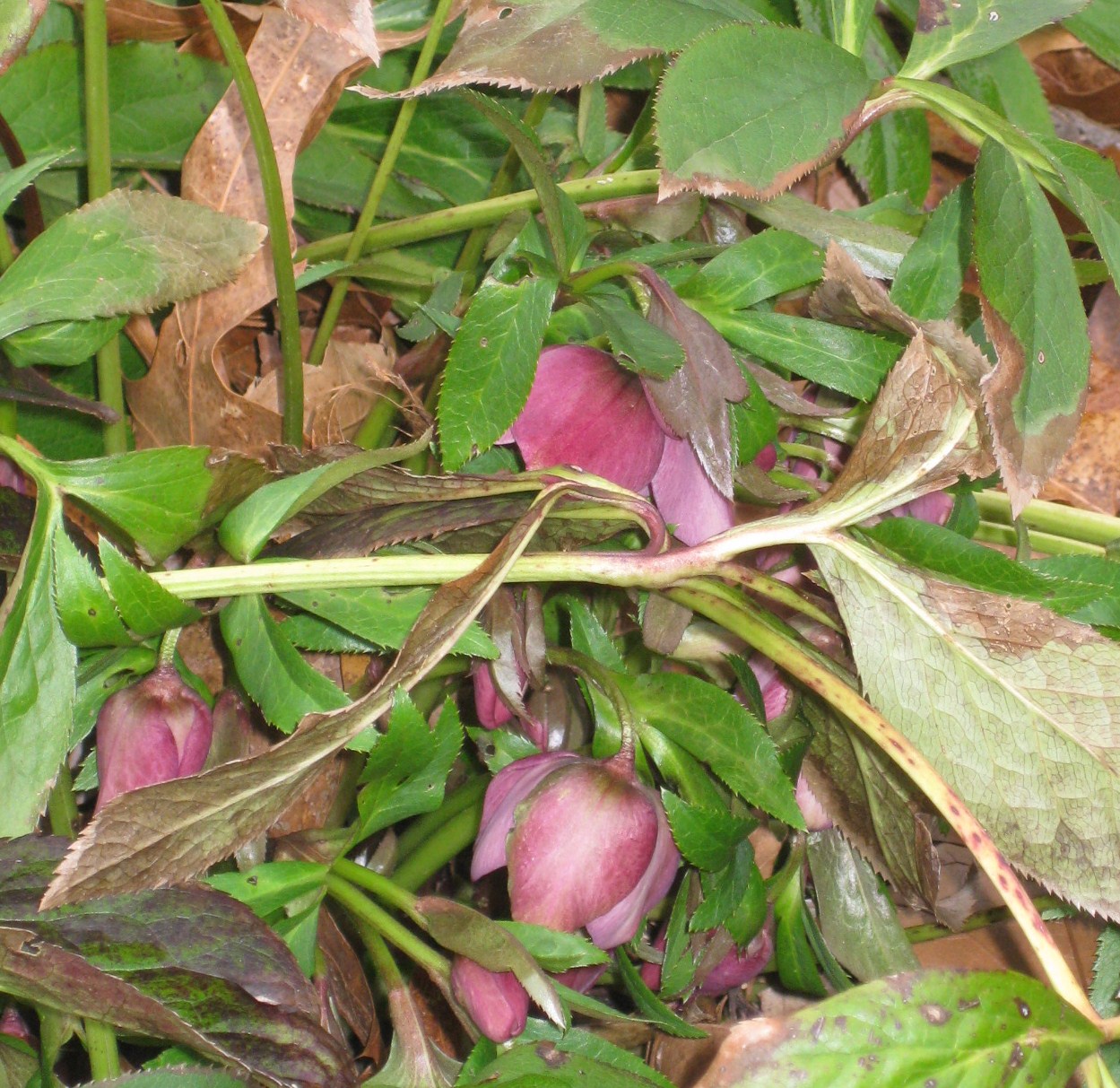
Lenten roses 003
I’m not saying I’m immune to the horror of growing old.  I’ve begun to avoid harsh lighting,  I’ve noted, with acute dismay, what an awkward turn of my head can do for the skin on my neck. The magnifying mirror is my frenemy.  I silently bewail the effects of gravity.  Just as the classic birthday card line attests: Old age is not for sissies.  It’s for the the wise, the well-adjusted, the truly mature.
On Ash Wednesday, we are called to confront the fact that no magic potion or surgery will keep old age forever at bay.  And while death claims the young, as we see all too often, most of us are granted the bittersweet privilege of aging in this lifetime.  This is, indeed, a gift; it allows us  the opportunity to grow toward wisdom, toward maturity.  It means the chance to come to terms with the hollowness of our culture of vanity, and to learn to live accordingly. The visible effects of age are reminders that death awaits us, unavoidably. The physical body decays even as we live, earthly beauty is fleeting, and material possessions are transitory.  Once we acknowledge these truths, we are free to recognize the real value of what will not pass away:

 
And now, these three abide: faith, hope and love.  But the greatest of these is love.  –1 Corinthians 13: 13

 
On Ash Wednesday, we thank God for not leaving us to eternal decay.  Through the love of Jesus Christ we are rescued from the dust, from perpetual darkness.  Our future, as God’s beloved children, is one of light and glory, of joyful wisdom that, in its zeal, perfection, and yes, its maturity, will remain forever young, forever beautiful.

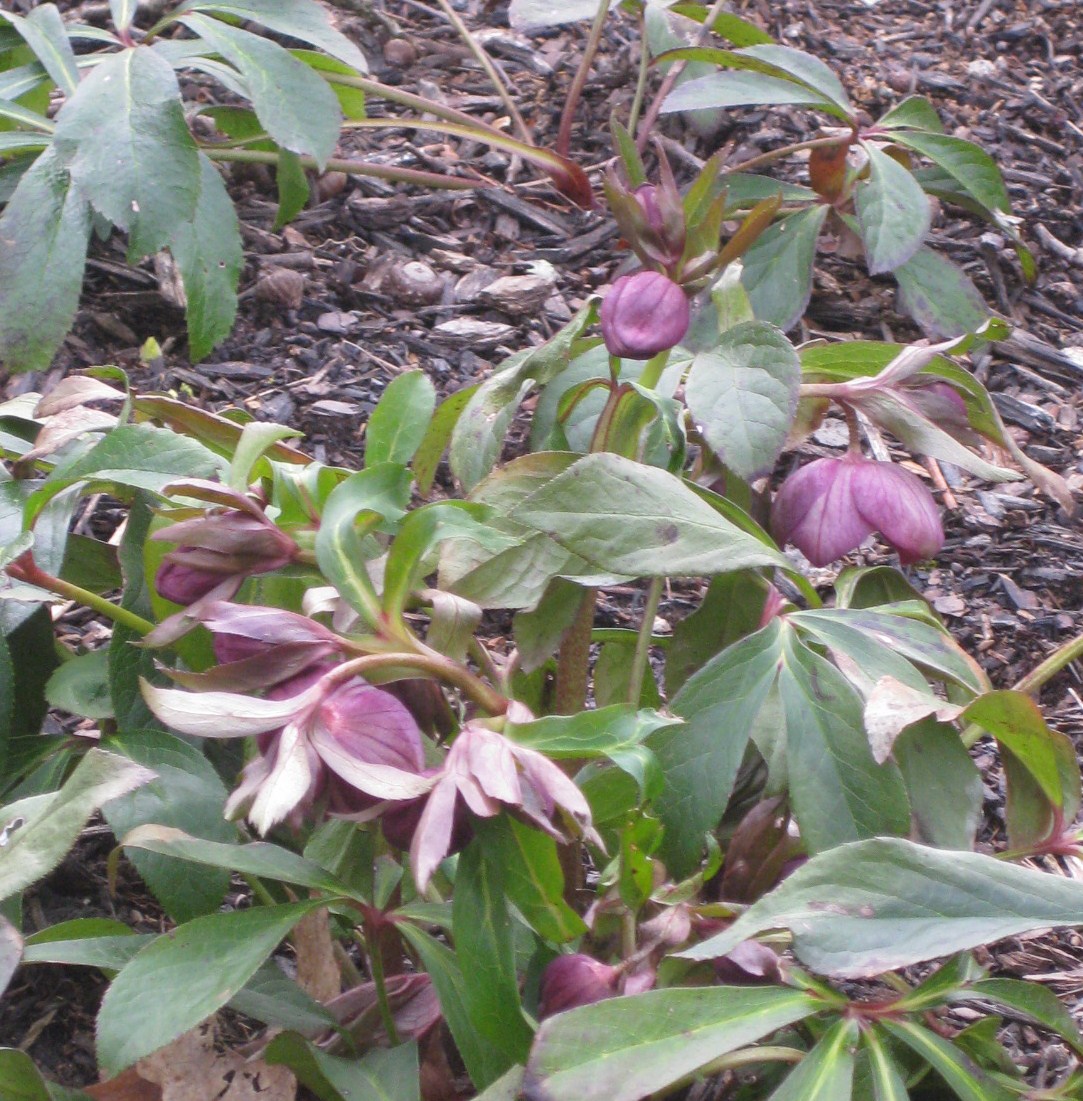
Lenten roses 005
I noticed today that some Lenten roses (Helleborus Orientalis) are already in bloom , although barely visible among winter’s dead leaves.

*************************************************

For further discussion of the meaning of Ash Wednesday, see last year’s post: What’s with the Ashes?, February 22, 2012.

In a Snippy Household, the One Who Will Not Talk Back

As my last post attests, my family and I tend to be a touchy bunch around each other. We are polite and well-behaved when we mix in society at large.  We don’t pick fights; we don’t brood over perceived insults dealt out by acquaintances or the general public.  But when we’re at home together, just the three of us, it may be a different story.  We are not an unhappy family.  Nor are we always indignant or incensed.  We have many moments of placid, content complacency, substantial periods of harmony.  But when something sets one of us off, we’re all going over the edge, and quickly.  Watch out.  (See, for example, An Evening of Discontent, Part II: The Big Family Dog-Walking Fight, October 2011.)


At home, our finely tuned radar is on near-constant alert for the slightest hint of sarcasm, negativity, discourtesy of tone or, heaven help us, an ill-chosen word.  The faintest traces of insult or anger, whether real, or more typically, imagined, rarely elude us.  With the barest minimum of words exchanged, we may be suddenly engulfed in a family-wide conflagration.  When this happens, nothing helps but time, and time apart.  With some stomping and huffing, we retreat to our own respective areas in the house.  Sometimes, from my husband and daughter, the stomping is accompanied by loud whistling.  Speech is pointless for a while, because we will be certainly be misunderstood.

But one member of our family maintains an admirably even keel. Our dog is either above, or beneath all this drama. Kiko never reacts badly, never acknowledges an insult, and he never makes a cutting remark.

I talk to Kiko a lot.

When he and I are home alone during the day, I keep up a running, one-sided conversation, heavy on the exclamation points. It’s typical, mindless doggie talk: Hello sweet baby! Are you the sweetest little fella? Of course you’re the sweetest fella! You’re such a velvety baby! You have the best fur! Are you the best old angel?  Of course you’re the best old angel! You’re my angel! I love you so much!  I just love you!  Sometimes I tell him, very nicely, of course, that he’s a terrible boy,  a very bad sweetie, just because I can, and it doesn’t matter one whit to Kiko. I think it’s to my credit, at least, that I don’t speak in a high-pitched, artificial tone often preferred when addressing babies and dogs. I use my normal voice to repeat my plodding menu of banalities.

As dogs go, Kiko is not particularly expressive.  He does not gaze into my eyes with love and admiration.  If I want that, I go down the street to see George, the big-hearted golden retriever. Kiko’s response to my ongoing chatter is subtle. My first words may be greeted with the raise of a doggie eyebrow. I’m reminded of Chad Everett, on whom I had a middle school crush when he starred as the charming, handsome Dr. Joe Gannon on TV’s Medical Center. While Dr. Gannon’s lifted brow indicated kindness and concern, Kiko’s indicates an openness to any words of consequence, such as Wanna take a walk? Wanna go for a ride? Want some cheese? To these questions he responds with a head tilt, perhaps followed by a stretch and a vigorous full-body shake.  Barring these welcome phrases, he remains largely inert, with the possible exception of his ears.  Unlike Chad Everett, Kiko has a wide range of motion in his ears, which may move independently of one another as though in vague reply.  Otherwise, he’s utterly, quietly motionless.  If I hover or confine him too long in a hug, he may sigh.  I take this as a signal to back off and shut up.  But that mild protest is as close to a rebuke as he ever makes.

You fellow dog owners understand the benefits of talking to your dog.  As you know, we converse with our dogs not for their sake, but for our own.  It makes us feel better.  For me, there is hardly a situation that cannot be eased, at least a little, by making ridiculous remarks to my dog.  Considering the atmosphere of irascibility that may reign in our household, it’s wonderful to know that no matter what I say to Kiko, peace and equanimity will prevail.   

Kiko002
A typical response from Kiko to my ongoing chatter.


Early-Morning Irritability

I try not to use my blog to rant about life’s trivial annoyances. But today I’ll risk sounding like a pouty child. This morning, a series of minor nuisances really ticked me off.

It began around 6:20, when I applied myself, with much concentration, to the vexing mystery of the moment—how to get the little rubber ring to stay put on the lid of my daughter’s new thermos. I persisted, but had no success. The bell of the toaster oven dinged. Because I had devoted too much pointless effort to the thermos, the mini-bagels I had been toasting for D’s breakfast were burned beyond rehabilitation.

It was at this inopportune moment that my husband wandered blithely into the kitchen. He remarked, in all innocence, that he couldn’t understand why D, who is in the process of choosing the classes she will take next year in high school (high school!), needs to continue studying English. She can read. She’s a good writer. What more does she need to know about English?

That comment, following so quickly on the heels of my thermos and bagel difficulties, was the last straw. My poor fragile camel’s back cracked sharply in half. Some say, I responded, through slightly clenched teeth, that there is value in literature. While reading good books is unlikely to lead to a well-paid career . . .no . . . it’s likely to ensure the absence of a well-paid career, it offers some help in coping with life’s disappointments. I stopped there. I did not add this further petulant bitterness: that reading offers the possibility of occasionally eking out some small measure of joy in a world rife with uncooperative thermos rings, annoying toaster ovens and clueless husbands whose idea of enlightening reading is an online windsurfing forum. H wisely kept quiet until he left for work.

And then Kiko and I went out for our walk. Another lovely light snow had fallen. I expected that the walk would lighten my mood. But no. Paved surfaces were far more slippery than I had expected, and Kiko insisted on attempting a break-neck pace, determined to run, if not in the road, then as close to it as possible, where the cars were hurtling by us more aggressively than usual. The salt from the road frequently stung his paws, prompting him to limp flamboyantly, one foot in the air, yet without lessening his speed. I had to repeatedly kneel down to brush the snow from his paw pads. An icy, gusty wind whipped the snow into my eyes, and the blue glare of the sun on the white ground was blinding. My ears were wet and freezing under my scarf, while my hands were too hot in my mittens. I was reminded vividly of why I find skiing so unpleasant. Our morning outing was an ordeal to be suffered through.

On a happier note, it sure is good to be back home.  Alone, except for my silent dog, now sleeping peacefully in another room.

*******************************************************

H telephoned later, warning me about the icy roads and clearly trying to appease my irrational meanness.  I’m feeling better now.  As Gilda Radner’s Roseanne Roseannadanna used to say:  Never mind.

Cold AM 006
It was a beautiful morning to be annoyed.


Why Not Just Let the Dog Out?

Jsparty010

As suggested on my About Wild Trumpet Vine page, I often write about walking my dog. Those who can’t imagine why anyone would choose to write about dog walking are unlikely to be regular readers.  There may be some of you who wonder why my dog has to be walked multiple times a day in every kind of nasty weather. Why not just let him out, occasionally, in the fenced back yard? Doesn’t he have the good sense to relieve himself, perhaps, as we had hoped, in the woodsy, secluded area behind the garage? These are good questions. The answer to the first is complicated; the answer to the second is simple: NO.

Kiko, true to his Shiba Inu nature, is emphatically clean and fastidious. This sounded like an excellent trait when we were considering our future family dog. And in many ways, it is a good trait. Our yard is never messy, and our carpets are holding up well.  But obsessive cleanliness has its dark side. Kiko refuses to sully not only his home, but also the broad vicinity of home.

Several years ago we tried cutting down on the walks. After Kiko had injured his back leg in a reckless jump from our unfinished back porch (see A Puppy Days Delayed Replay, Nov. 2011), the vet advised keeping walks to a minimum. At the time, I was recovering from surgery, and the prospect of fewer winter dog walks was appealing.

Ever since he was a puppy, Kiko has indicated his desire to go out by staring fixedly at me, then pawing at the door. Instead of gathering my cold-weather gear and the leash, as I had typically done before, I began opening the door that leads to our porch and enclosed back yard. Kiko would rush through his doggie door with a great sense of urgency and purpose, make a speedy circuit of the yard, return immediately and begin pawing impatiently to come inside. This would be followed by another staring episode, another interior pawing at the door, another fast trip around the yard. We repeated the process so many times that I felt as though I was losing my mind. Kiko seemed to feel the same way. I could see his frustration: Why can’t we walk? I’ve got to get out of this stupid yard! This is my hunting and lounging area, not my potty place, for heaven’s sake!

NewYears001
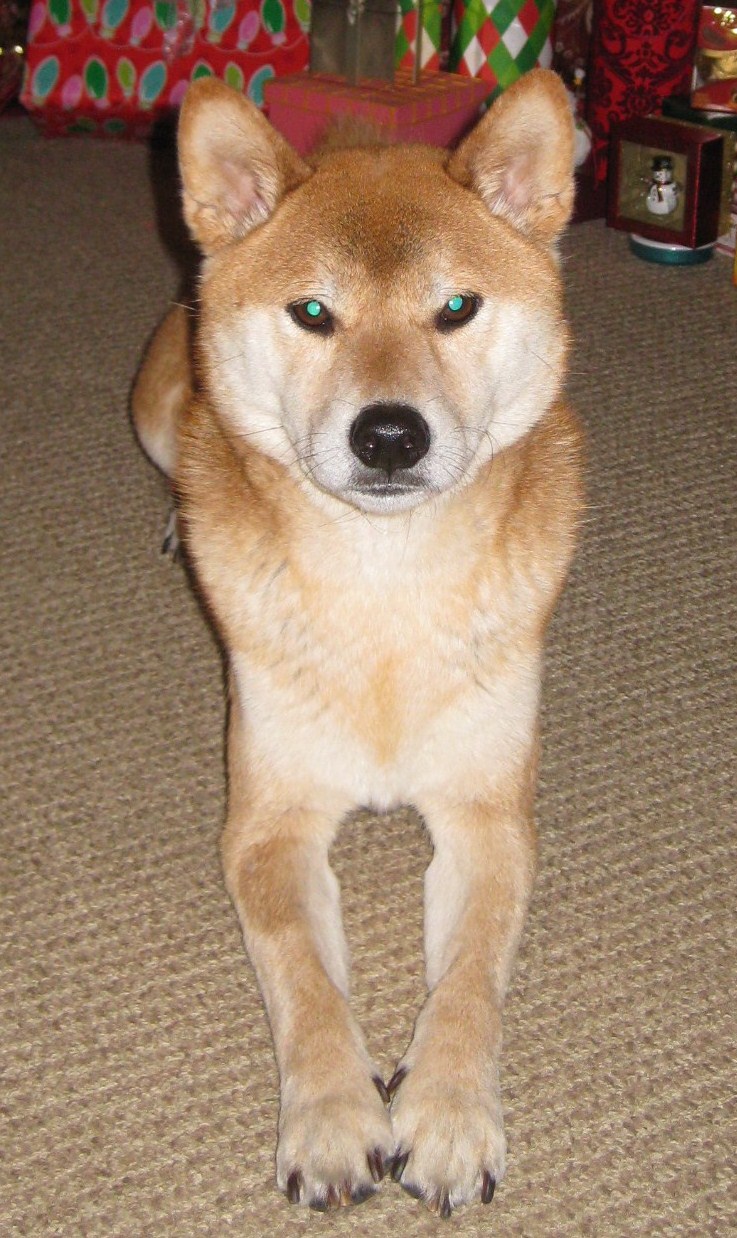
The Kiko Stare: Take me Out, Now!!!

I tried walking him on the leash in the back yard, but that only compounded the misery, adding mine to his. I invited neighborhood dogs over to visit, hoping they would mark and inspire Kiko.  He remained uninspired and steadfast.  His obstinacy is matched by the strength of his bladder; our dog is nothing if not continent. Kiko gave in a very few times, but only in the middle of the night and in hopeless, broken, pitiful desperation. The next day the routine would begin again. No break-through came, and the situation was intolerable. It wasn’t doing anything to further my recovery or my dog’s.

We went back to walking, much to Kiko’s relief, as well as mine. I brought new resolves of patience to the task. I’ve mentioned that despite the miles we cover together, Kiko’s on-leash behavior is generally less than stellar (see The Joys and Travails of Walking our Strange Little Dog, Oct. 2011). But I find it hard to blame him.  My extremely social dog is under the thrall of his acute sense of smell.  His nose serves as smartphone, Internet, Facebook, Twitter and Instagram, all rolled into one neat package that he cannot set aside.  Kiko smells great troves of valuable information about his friends—Buster turned left at this corner, Annie says hi, Shyla wonders where he’s been, Lucy is tolerating the new foster puppies, and sweet three-legged Raven is having a good day. I hate to block my dog’s vast friendship network by dictating exactly where he can and cannot go.

KikoLucy006
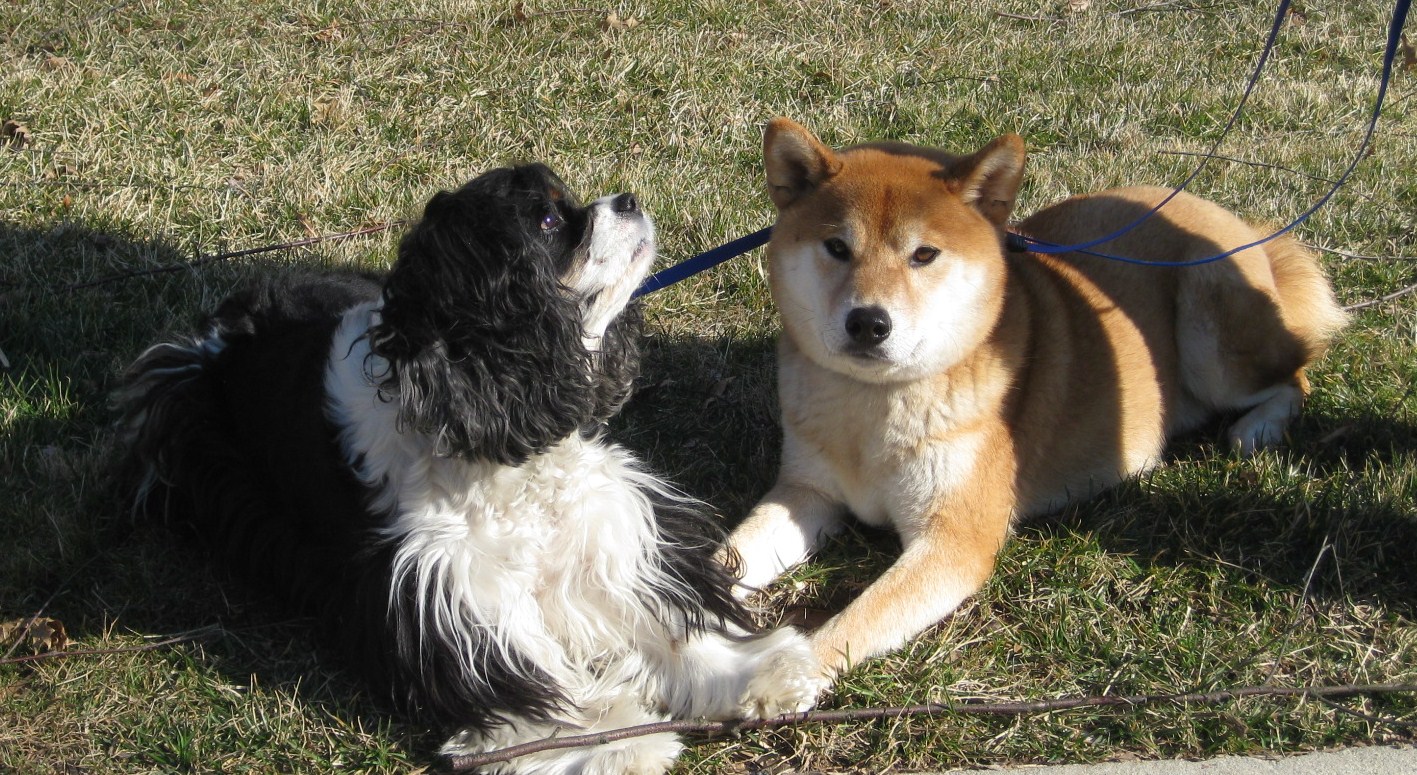
Kiko’s nose often leads him to his buddy Lucy, who is similarly fastidious. A well-matched pair of old friends, they seem to be holding paws.

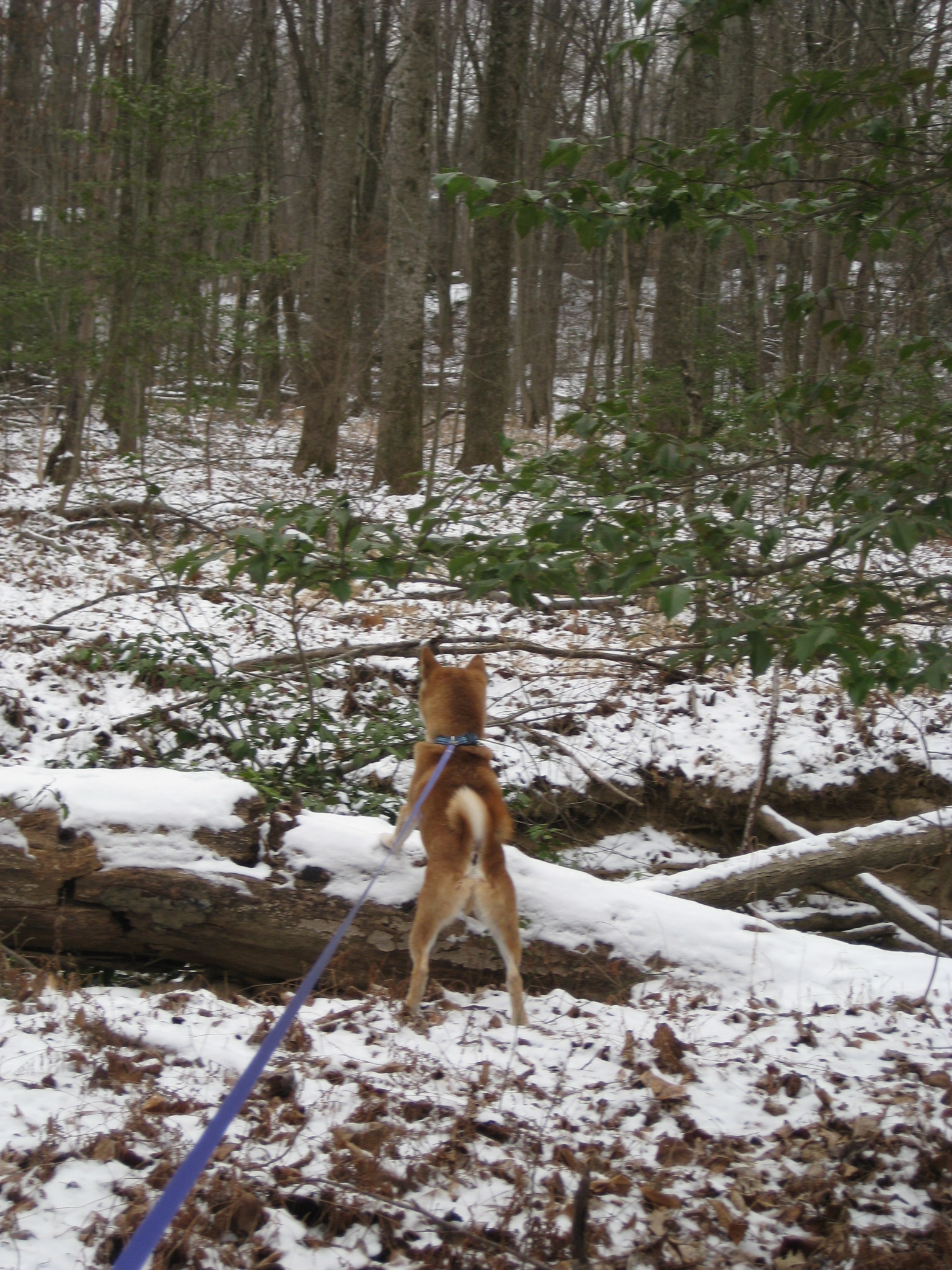
After the painful, failed trial period of not walking, it seemed that Kiko’s behavior improved somewhat, or perhaps I simply chose to believe that it did.  I had missed walking my odd little dog even as I tried to avoid it. Now, it’s a given that on the most frigid of mornings, I will be out with Kiko.  I walk with him because I consider it my duty. It’s in our contract now.  I stay out far longer than necessary because I enjoy it, despite the weather.  It  wasn’t Kiko’s fault that the tendrils of hair at the side of my face froze one day last week when it was 15 degrees.  I had been breathing into my scarf, and the condensation turned to ice.  We didn’t need to wander for an hour and a half (although cold days are Kiko’s preference).  But I was well-bundled, and once we were out, in the still-snowy, beautifully frozen woods, spotting Kiko’s double, the red fox, the watchful pair of hawks, the pileated woodpecker and the white deer that roams our area, I didn’t want to hurry home.

What is this White Stuff?


Snow! 021

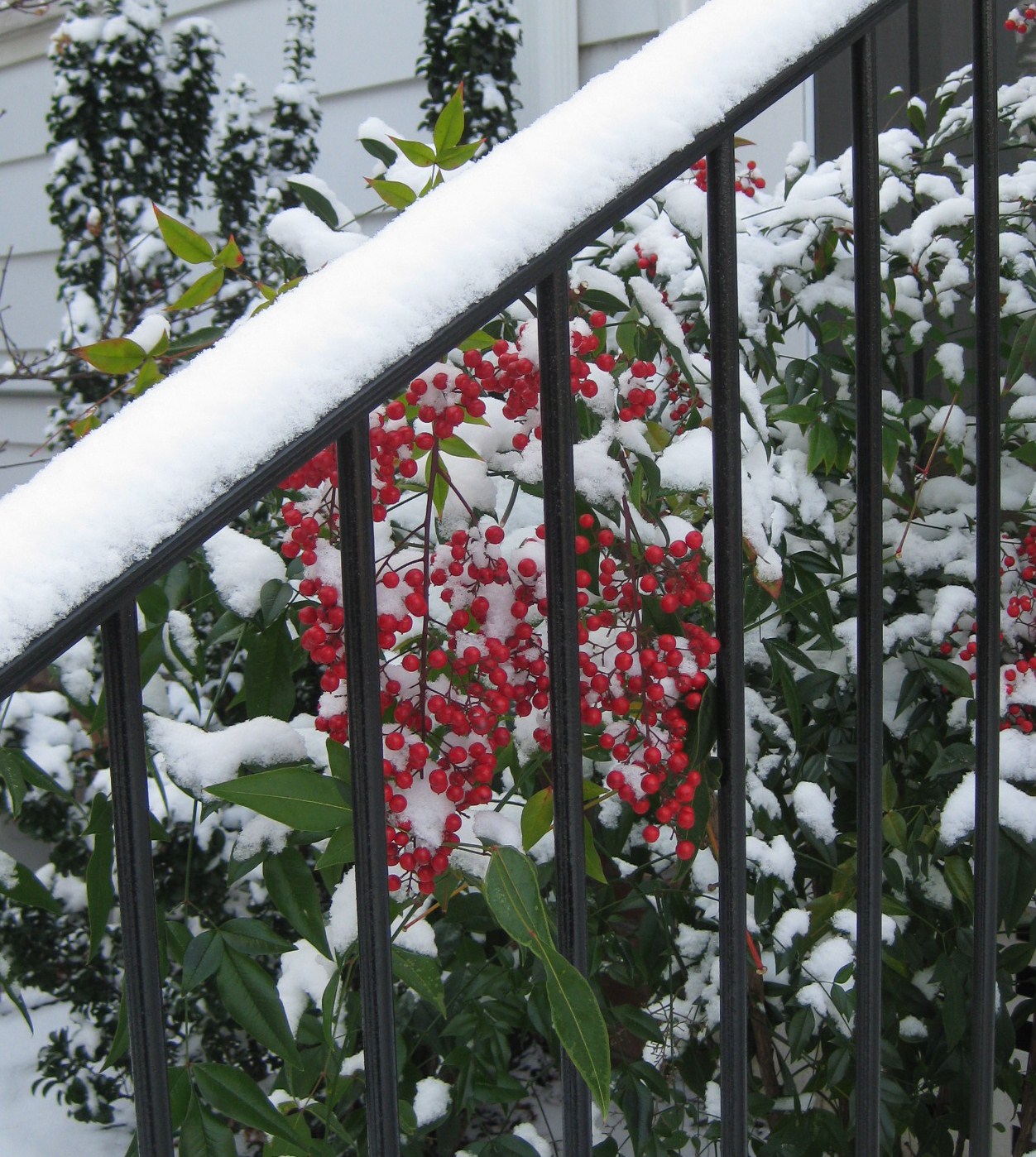
We woke up this morning, unexpectedly, to snow.  It wasn’t a lot of snow, but it was enough to cover the yard and nicely powder the trees and shrubs, to give the world a sort of winter facelift.  It’s been ages since we’ve seen snow here in northern Virginia, so it was a welcome sight.  Schools were delayed two hours, giving my daughter, a snow fanatic, the chance to enjoy it.  The snow piled up prettily on the nandina berries, above.

Today’s snow is pleasant, attractive and manageable.  I don’t miss the winters of constant snow, as my daughter does.  When she was in preschool and kindergarten, seems like every Friday from December through February brought just enough accumulation to shut down the schools.  The prospect of another snow day overjoyed her as much as it exhausted me.  I don’t look back fondly on the  years of blizzard after blizzard.  I hated the many transportation worries.  Will the schoolbus make it through?  Will the steeply winding road home be passable?  Should I cancel that appointment? What havoc will be wreaked by those drivers who have no business venturing out in such weather?  Will my husband get stuck behind someone who is unwisely inching up the long hill, again?  Will D and I be left to try to shovel the driveway alone, anxiously awaiting roadside updates from H?

The snowy weather ceased, of course, once H bought a snowblower.  While he’s been itching to give it a try, I wouldn’t mind if he doesn’t need it again this winter.  Or, maybe, to please him and D, he could use it just once.  For their sake, I wouldn’t mind one lovely deep snow.  While I’m wishing, I’ll wish for the flakes to start falling some Friday night after we’re all safely home.

Snow! 014

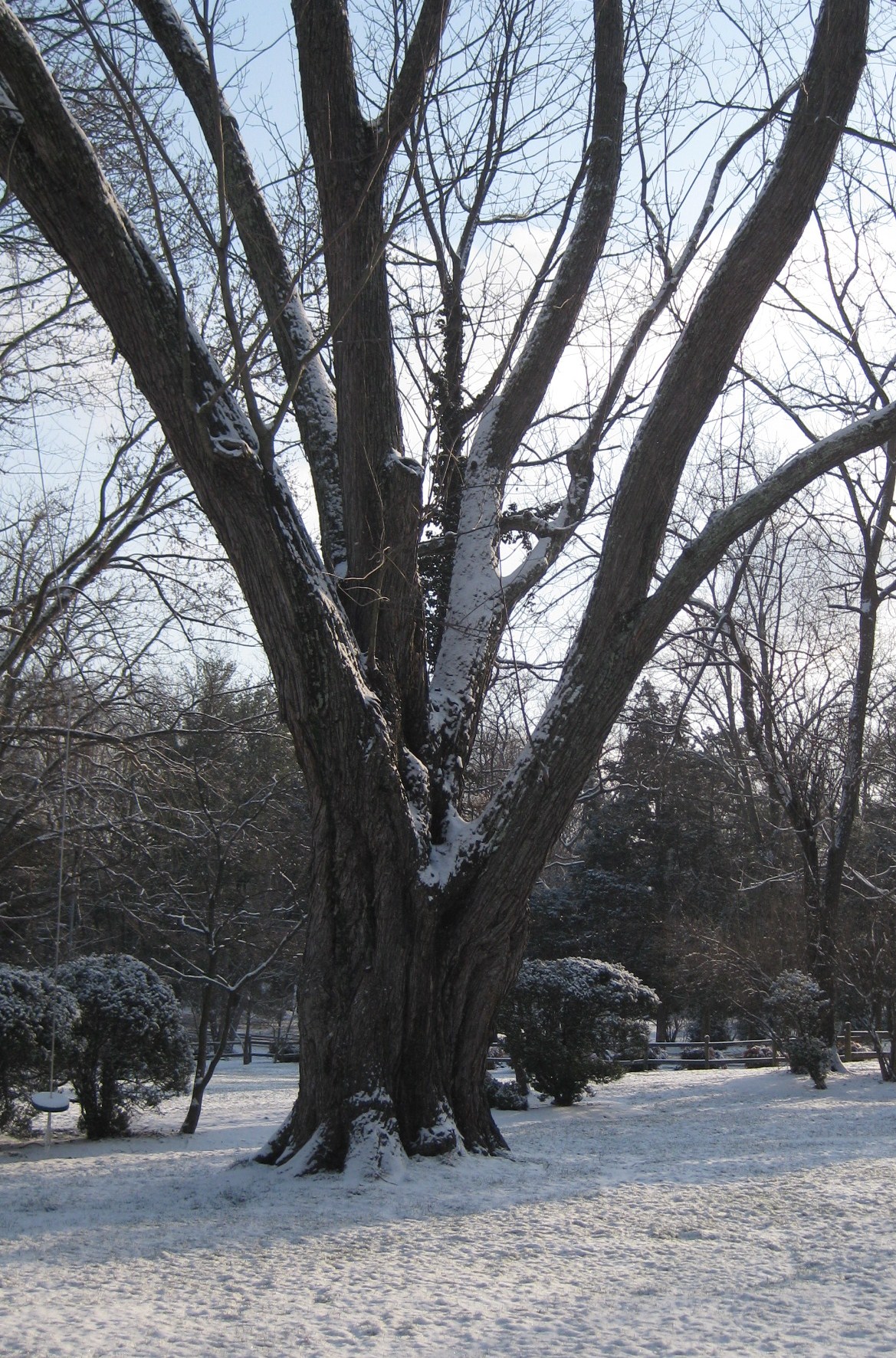
The yard was covered, just barely, with snow.  The trees and bushes were powdered white.

Snow! 018

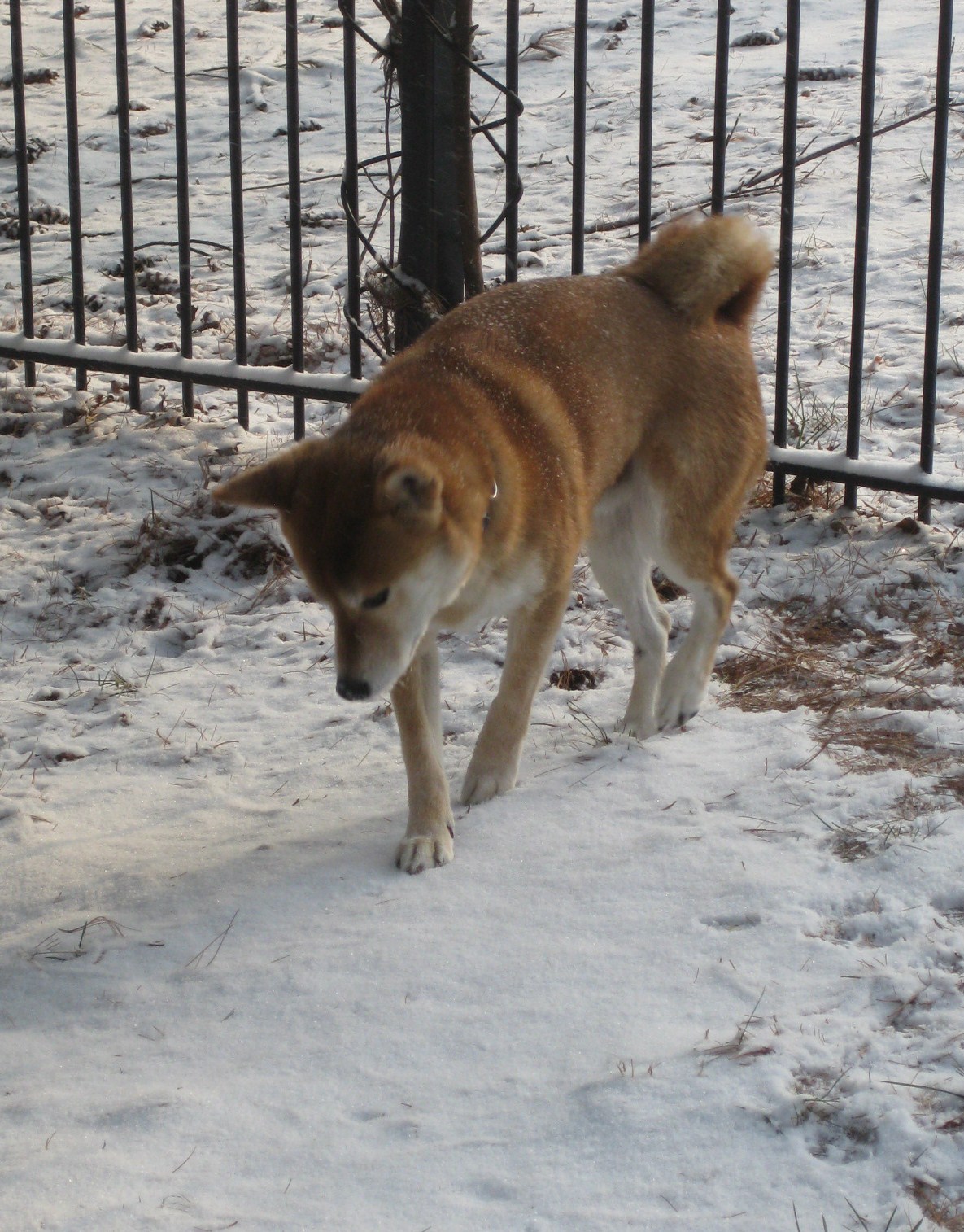
Kiko seemed to have completely forgotten that he had ever experienced snow before.  He found it strange but exhilarating. 

Snow! 011

The first glimpse of the sun in the sky this morning could have been lifted from a Currier and Ives print.

Moving On, Into a New Year

It’s the seventh of January, 2013.  Epiphany has been celebrated; the Christmas season is officially over.  The electric candles in our windows have clicked on and off for the last time this winter. Tonight’s early January dusk will have to stand on its own; there will be no soothing, quasi-magical boost of simulated candlelight. We are back in ordinary time. Yet again, the days sped by too quickly.


This is the dreaded week of my Christmas clean-up.   I began the day by wandering remorsefully through the house, wishing we hadn’t put up six trees, wondering where to start the process of un-decoration. As always, I will resolve this year, for a change, to find the right boxes for the packing-up.  When I can’t manage that, I will vow to locate an actual working marker to label the boxes.  When even that proves undoable, I will tell myself that I’ll remember what I put where.  Eleven months from now, I will be standing in our frigid attic, muddled and confused.  The box that professes to contain miniature trees will be full of stockings and bead garlands.  Where did the box of white lights go this time?  Some crucial item, usually one of our star tree-toppers, will have vanished completely.

But it’s a new year, and it’s time to move on. The trappings of the holiday season have undergone an unmistakable, unsavory shift in essence. Five weeks ago, they were the stuff of joy and hope. Now they are clutter. The blue spruce is droopy and dry, its needles as sharp as steel.

I look forward, past the mess, envisioning the uncluttered, restful simplicity of mid-January.  It’s an illusion, a vanishing mirage, of course.  With a vengeance, this first month bursts with the business of everyday life.  A glance at the calendar reveals an exhausting proliferation of church meetings, school volunteer meetings and appointments with doctors.  All that and all the Christmas debris, still here.

Yet the reality of the new year brings a clearer, if starker, light.  It gladdens my heart to think that the shortest, darkest day of the year has come and gone. The earth is turning, tilting toward spring. The leaves of the rhododendrons in our back garden shrivel in the cold, but their blooms are set, ready and waiting.  Nature’s optimism and foresight promises renewal.  It really is time to move on.

January 2013 004

A rhododendron bud stands by for spring.

We’re All Family Here

Christmasnight081

I’ve noticed that when TV sit-coms and the annual crop of heartwarming holiday movies attempt to address the “real meaning of Christmas,”  it often comes down to this lukewarm message:  It’s about family.  Not wanting to offend the secular audience, or those of other faiths, there is never a mention of Jesus, Christ, the Savior of the world, Emmanuel, or the Messiah.  As a Christian, I wish this were not always the case.

But after some thought, I realize, the TV explanation isn’t completely inadequate.  Christmas is about family.  It’s not just about trying to tolerate, for one day or a long weekend, the nuclear and extended family that gathers with us for the annual gift extravaganza.  It’s about being the family of God throughout the world.

God loves us so much that he sent his only son to live among us as a little baby.  He came down to our level, took on a human body and human frailty, so he could show us how to live, how to give, how to share.  Because he became one of us, we needn’t doubt that he understands our fears, our weaknesses and our shortcomings.  God knows what it’s like to be mocked, unappreciated, mistrusted and reviled.  He knows what it’s like when even our closest friends betray and abandon us.  He understands suffering and death.  He knows what it’s like to lose a child.  He truly feels our pain.

God has made us his children.  We are neither slaves nor possessions.  It is not our own worthiness that has granted us this favored role, but his unfailing love and forgiveness.  Through the sacrifice of Jesus Christ, we are heirs to God’s eternal kingdom.  As grateful heirs, we are to respond to his grace by cultivating the seeds of love he has sown within us.

Christmas reminds us that we are all God’s children.  No matter how vast our differences in circumstance, appearance or culture, we are brothers and sisters.  We’re all family here.